The Armenian Institute of International and Security Affairs
| Date | Event Type | Description | Location | Topic | Related Countries | Information Type | ||||||||||||||||||||||||||||||||||||||||||||||||||||||||||||||||||||||||||||||||||||||||||||||||||||||||||||||||||||||||||||||||||||||||||||||||||||||||||||||||||||||||||||||||||||||||||||||||||||||||||||||||||||||||||||||||||||||||||||||||||||||||||||||||||||||||||||||||||||||||||||||||||||||||||||||||||||||||||||||||||||||||||||||||||||||||||||||||||||||||||||||||||||||||||||||||||||||||||||||||||||||||||||||||||||||||||||||||||||||||||||||||||||||||||||||||||||||||||||||||||||||||||||||||||||||||||||||||||||||||||||||||||||||||||||||||||||||||||||||||||||||||||||||||||||||||||||||||||||||||||||||||||||||||||||||||||||||||||||||||||||||||||||||||||||||||||||||||||||||||||||||||||||||||||||||||||||||||||||||||||||||||||||||||||||||||||||||||||||||||||||||||||||||||||||||||||||||||||||||||
|---|---|---|---|---|---|---|---|---|---|---|---|---|---|---|---|---|---|---|---|---|---|---|---|---|---|---|---|---|---|---|---|---|---|---|---|---|---|---|---|---|---|---|---|---|---|---|---|---|---|---|---|---|---|---|---|---|---|---|---|---|---|---|---|---|---|---|---|---|---|---|---|---|---|---|---|---|---|---|---|---|---|---|---|---|---|---|---|---|---|---|---|---|---|---|---|---|---|---|---|---|---|---|---|---|---|---|---|---|---|---|---|---|---|---|---|---|---|---|---|---|---|---|---|---|---|---|---|---|---|---|---|---|---|---|---|---|---|---|---|---|---|---|---|---|---|---|---|---|---|---|---|---|---|---|---|---|---|---|---|---|---|---|---|---|---|---|---|---|---|---|---|---|---|---|---|---|---|---|---|---|---|---|---|---|---|---|---|---|---|---|---|---|---|---|---|---|---|---|---|---|---|---|---|---|---|---|---|---|---|---|---|---|---|---|---|---|---|---|---|---|---|---|---|---|---|---|---|---|---|---|---|---|---|---|---|---|---|---|---|---|---|---|---|---|---|---|---|---|---|---|---|---|---|---|---|---|---|---|---|---|---|---|---|---|---|---|---|---|---|---|---|---|---|---|---|---|---|---|---|---|---|---|---|---|---|---|---|---|---|---|---|---|---|---|---|---|---|---|---|---|---|---|---|---|---|---|---|---|---|---|---|---|---|---|---|---|---|---|---|---|---|---|---|---|---|---|---|---|---|---|---|---|---|---|---|---|---|---|---|---|---|---|---|---|---|---|---|---|---|---|---|---|---|---|---|---|---|---|---|---|---|---|---|---|---|---|---|---|---|---|---|---|---|---|---|---|---|---|---|---|---|---|---|---|---|---|---|---|---|---|---|---|---|---|---|---|---|---|---|---|---|---|---|---|---|---|---|---|---|---|---|---|---|---|---|---|---|---|---|---|---|---|---|---|---|---|---|---|---|---|---|---|---|---|---|---|---|---|---|---|---|---|---|---|---|---|---|---|---|---|---|---|---|---|---|---|---|---|---|---|---|---|---|---|---|---|---|---|---|---|---|---|---|---|---|---|---|---|---|---|---|---|---|---|---|---|---|---|---|---|---|---|---|---|---|---|---|---|---|---|---|---|---|---|---|---|---|---|---|---|---|---|---|---|---|---|---|---|---|---|---|---|---|---|---|---|---|---|---|---|---|---|---|---|---|---|---|---|---|---|---|---|---|---|---|---|---|---|---|---|---|---|---|---|---|---|---|---|---|---|---|---|---|---|---|---|---|---|---|---|---|---|---|---|---|---|---|---|---|---|---|---|---|---|---|---|---|---|---|---|---|---|---|---|---|---|---|---|---|---|---|---|---|---|---|---|---|---|---|---|---|---|---|---|---|---|---|---|---|---|---|---|---|---|---|---|---|---|---|---|---|---|---|---|---|---|---|---|---|---|---|---|---|---|---|---|---|---|---|---|---|---|---|---|---|---|---|---|---|---|---|---|---|---|---|---|---|---|---|---|---|---|---|---|---|---|---|---|---|---|---|---|---|---|---|---|---|---|---|---|---|---|---|---|---|---|---|---|---|---|---|---|---|---|---|---|---|---|---|---|---|---|---|---|---|---|---|---|---|---|---|---|---|---|---|---|---|---|---|---|---|---|---|---|---|---|---|---|---|---|---|---|---|---|---|---|---|---|---|---|---|---|---|---|---|---|---|---|---|---|---|---|---|---|---|---|---|---|---|---|---|---|---|---|---|---|---|---|---|---|---|---|---|---|---|---|---|---|---|---|---|---|---|---|---|---|---|---|---|---|---|---|---|---|---|---|
| October 30 2026 | Response |
In his speech at the 13th Summit of the Organization of Turkic States, President of Kazakhstan Kassym-Jomart Tokayev addressed the unity and consolidation of the Turkic world, economic interaction within the OTS, the importance of launching the "OTS+" format involving Russia, transport and logistics interconnectedness, digitalization and artificial superintelligence, the strengthening of cultural and humanitarian ties, as well as the programmatic and structural development and specification of the OTS.
Kassym-Jomart Tokayev Spoke at the 13th Summit of the Organization of Turkic States
Ankara, Türkiye In his speech, the President of Kazakhstan emphasized that the OTS is a unique structure that strengthens the unity of the Turkic world. – Our inviolable principle is respect for the sovereignty and national interests of brotherly countries. The Turkic world remains united and is confidently moving towards its goals together. The theme of today's meeting, "The Turkic Century: Unity in Language, Thought, and Deed," holds special significance. The summit is taking place in the year of the 100th anniversary of the First Turkic Congress, which gives it a special symbolic meaning. A century ago, the intellectual elite of brotherly countries gathered in the city of Baku, combining their potential for a common goal — to preserve and multiply our spiritual unity. Remaining faithful to the testaments of our ancestors, we continue our joint work to strengthen the cohesion and consolidation of the Turkic peoples, – the Head of State said.
Kassym-Jomart Tokayev noted the importance of the Alley of the Organization of Turkic States, created on the initiative of Recep Tayyip Erdogan. – I am confident that this Alley will become a symbol of our unbreakable brotherhood. As it is known, the geopolitical situation in the world continues to escalate. The situation in the Middle East, especially the confrontation around the Strait of Hormuz, is becoming increasingly tense. All of this has a negative impact on global trade, economic, transport, and logistics chains, including those connecting neighboring Turkic states. Kazakhstan decisively condemns the groundless attacks by the Houthi armed movement on brotherly Saudi Arabia. We support statements on the need to end such unlawful actions, – the President declared. According to the Head of State, Kazakhstan places special hopes on the key role of economic interaction within the framework of the OTS. – This year, our country’s trade turnover with the member states of the Organization neared 10 billion dollars. Compared to last year, this indicator increased by 40%. To maintain this dynamic, we need to take a number of steps. First of all, it is necessary to ensure the quality implementation of the "Turkic World Vision – 2040" program. In this regard, it is important to accelerate the adoption of the Strategy of the Organization of Turkic States for 2027-2031. We support the comprehensive measures provided for in the draft document aimed at developing trade, investment, finance, industry, agriculture, digital technologies, education, science, and other areas. It is fundamentally important that the adopted five-year strategy is oriented towards the implementation of concrete projects. Therefore, to achieve this goal, it is necessary to maximize the use of the capabilities of the Turkic Investment Fund. This institution has huge potential, and all conditions must be created for its full realization. Furthermore, to deepen economic integration, the capabilities of the Turkic Chamber of Commerce and Industry should be utilized. During Kazakhstan's chairmanship of this structure, a number of events were held and important documents were prepared. To give additional impetus to this work, a business forum could be held in our country in 2027. We believe the activities of the OTS Council of Elders are also highly significant. We need to provide this structure with financial and other comprehensive support, – the President suggested.
Kassym-Jomart Tokayev emphasized the importance of utilizing the "Organization of Turkic States +" format to further strengthen interaction. – In order to increase the prestige of our Organization, it would be a correct and fair decision to view Russia's intention positively and invite it to join this format or participate in OTS activities as an observer. As a major power, Russia has maintained close ties with the Turkic world for centuries. Representatives of many Turkic peoples historically reside within the territory of this country. Currently, Russia is promoting the project "Altai – the Cradle of Turkic Civilization," which Kazakhstan supports. Quite a few words in the Russian language have Turkic origins. On the whole, if Russia became part of the Turkic countries, that is, our Organization, it would benefit all our states, – the President said. Next, the Head of State named deepening the partnership in the transport and logistics sector as one of the priority tasks. – The Trans-Caspian International Transport Route plays an important role in ensuring the interconnectedness of the Turkic world. Over the 9 months of this year, the volume of cargo transportation along the Middle Corridor increased by 30%, including transit shipments which grew by 90%. The volume of rail cargo transportation between Kazakhstan and the OTS states increased by 10%, approaching the mark of 40 million tons. The scale of road freight transport grew by 20%, reaching 6.5 million tons. To expand Kazakhstan's transit potential, we intend to implement a special program in our country. Overall, the modernization of logistics infrastructure and seaports along the Middle Corridor remains a priority for Kazakhstan. At the same time, other transport and logistics routes, such as the North-South corridor, the "Belt and Road" project, and other directions, also remain highly profitable and effective for our country," – Kassym-Jomart Tokayev noted.
The Head of State believes that the development of digitalization and artificial intelligence is a demand of today. – Our states are actively engaged in large-scale digital transformation. Kazakhstan has set a goal to become a digital state. Significant work is being done in this direction. This year has been declared the Year of Digitalization and Artificial Intelligence in our country. The Alem.ai artificial intelligence center has been established in Astana. The Qazaq AI Research University has been opened to train personnel in the field of artificial intelligence. A Valley of Data Processing Centers with a total capacity of 1 gigawatt is being formed. Two supercomputers have been launched, and a third very powerful supercomputer will soon start operating. A Digital Code and a special law on artificial intelligence have been adopted. If necessary, we are ready to share our experience in this field with brotherly Turkic countries. As is well known to all, at the meeting in Turkestan in May this year, we discussed the prospects for the development of artificial intelligence and digitalization. Following this event, a number of important initiatives are being implemented. In addition, the Trans-Caspian fiber-optic communication line was recently launched between Kazakhstan and Azerbaijan. Turkic states will also be able to take advantage of the opportunities of this unique project. At the same time, a significant amount of work remains to be carried out in the shortest possible time. In particular, it is necessary to accelerate the implementation of initiatives to create a Cybersecurity Council, as well as centers for digital monitoring and innovation. Undoubtedly, these projects will contribute to the further expansion of our countries' partnership in the digital sphere, – he emphasized. According to the President, strengthening cultural and humanitarian ties traditionally holds an important place on the agenda of multi-faceted interaction. – Kazakhstan pays special attention to the study, preservation, and popularization of the historical heritage of Turkic peoples. At the meeting in Turkestan this year, I proposed creating a Center of Turkic Civilization and a "Mängilik El" Center, designed to popularize the Steppe Civilization. Corresponding works are currently underway. We consider it necessary to accelerate the adoption of the Convention on the Preservation of the Heritage of Turkic Civilization. In addition, work continues in our country on the fundamental seven-volume publication "History of Kazakhstan from Ancient Times to the Present Day." We express our sincere gratitude to the representatives of the scientific community of Turkic countries who are actively participating in this work. This academic labor will allow a comprehensive, objective, and impartial understanding of historical events from a scientific point of view, – Kassym-Jomart Tokayev noted.
The Head of State highly commended the activities of structures related to the OTS. – On the initiative of the Turkic Academy, a number of works dedicated to common historical and cultural monuments have been published. Among them, a three-volume edition "Sacred Geography of the Turkic World" and a five-volume catalog "Ancient Turkic Written Monuments" were prepared. In addition, a 25-volume "Dictionary of Modern Turkic Languages" has been published. These works are a significant result of the work of Turkic scholars. The Turkic Culture and Heritage Foundation developed the international digital platform "Turkic Heritage." This unique electronic resource is designed to facilitate the deep study of the history, literature, and cultural traditions of the Turkic world. Undoubtedly, Altai occupies a special place in our common history. This year, the international festival "Altai – the Golden Cradle of the Turkic World" was held at a high level in Kazakhstan. By decision of the ISESCO organization, the sacred city of Turkestan will become the cultural capital of the Islamic world in 2027. Within the framework of this initiative, we plan to hold large-scale events aimed at preserving the spiritual unity and continuity of the Turkic civilization. An international forum named after Hodja Ahmed Yassawi, dedicated to literature and language issues, will be organized. A meeting of museum professionals from the Turkic and Islamic worlds will also take place. We invite representatives of scientific circles to take the most active part in these events, – Kassym-Jomart Tokayev said.
The President of Kazakhstan emphasized the need for priority strengthening of the institutional structure of the Organization of Turkic States. – In recent years, the scope of activity of the OTS has significantly expanded, already covering 60 different directions. At the same time, it is obvious that some functions duplicate each other. Based on this, we should define the main directions of our joint work. In general, it is necessary to structure the tasks and priorities facing us. In addition, I would like to note the inadmissibility of violating the provisions of treaties signed at the highest level within our Organization. I also consider it important to note once again the need to create a Council of Permanent Representatives to the OTS. In May this year, at a high-level meeting in Turkestan, I stated that the Organization of Turkic States is not and should not turn into a military alliance in the future. This is Kazakhstan's position, – Kassym-Jomart Tokayev declared.
At the conclusion of his speech, the Head of State recalled the Kazakh proverb "Bereke – birlikte, yrys – yntymakta" ("Well-being is in unity, abundance is in harmony") and emphasized the importance of consolidating efforts for the sake of achieving common goals. – I am confident that today's meeting will give a new impulse to the activities of the OTS and will contribute to the further strengthening of our interaction. In this regard, I would like to particularly note that Azerbaijan, which has chaired the Organization since last year, has made an invaluable contribution to raising its prestige. I express my gratitude to the Azerbaijani side. Now the chairmanship passes to Türkiye. I am confident that in the coming period, new initiatives will be implemented within the framework of the Organization. I express my gratitude to Mr. Kubanychbek Omuraliev for the work done and wish success to the new Secretary General Mirvokhid Azimov. Once again, I express my gratitude to the President of the Republic of Türkiye for hosting the summit at a high level. May the unity of the Turkic peoples grow stronger! – the President of Kazakhstan concluded. President of Türkiye Recep Tayyip Erdogan, President of Kyrgyzstan Sadyr Japarov, President of Uzbekistan Shavkat Mirziyoyev, President of Turkmenistan Serdar Berdymuhamedov, Minister of Foreign Affairs of Azerbaijan Jeyhun Bayramov, and OTS Secretary General Kubanychbek Omuraliev also spoke at the summit. Following the results of the 13th summit of the Organization of Turkic States, the Ankara Declaration was adopted. Source: Official website of the President of the Republic of Kazakhstan, https://www.akorda.kz/ru/kasym-zhomart-tokaev-vystupil-na-13-m-sammite-organizacii-tyurkskih-gosudarstv-3091018 |
Türkiye / Ankara | Strategic Partnership, Trade and economic relations, Allied relations, Peace, prosperity, and interconnectedness, Trans-Caspian fiber-optic communication line, Artificial Superintelligence (ASI) | Kazakhstan, Türkiye | Full / Comprehensive Support, Full Legitimization and Endorsement | ||||||||||||||||||||||||||||||||||||||||||||||||||||||||||||||||||||||||||||||||||||||||||||||||||||||||||||||||||||||||||||||||||||||||||||||||||||||||||||||||||||||||||||||||||||||||||||||||||||||||||||||||||||||||||||||||||||||||||||||||||||||||||||||||||||||||||||||||||||||||||||||||||||||||||||||||||||||||||||||||||||||||||||||||||||||||||||||||||||||||||||||||||||||||||||||||||||||||||||||||||||||||||||||||||||||||||||||||||||||||||||||||||||||||||||||||||||||||||||||||||||||||||||||||||||||||||||||||||||||||||||||||||||||||||||||||||||||||||||||||||||||||||||||||||||||||||||||||||||||||||||||||||||||||||||||||||||||||||||||||||||||||||||||||||||||||||||||||||||||||||||||||||||||||||||||||||||||||||||||||||||||||||||||||||||||||||||||||||||||||||||||||||||||||||||||||||||||||||||||||
| October 30 2026 | Response |
Speaking at the 13th Summit of the Council of Heads of State of the Organization of Turkic States, President Erdoğan addressed the Turkic world and its unity, the Armenia-Azerbaijan normalization, the solidarity and support of the Turkic world regarding the Palestinian issue, the importance of the Trans-Caspian Central Corridor, cooperation in cybersecurity, artificial superintelligence, and digitalization, the significance of developing a Turkic language model, as well as the finalization of the Strategic Partnership and Eternal Friendship Agreement for 2027–2031. President Erdoğan Spoke at the 13th Summit of the Council of Heads of State of the Organization of Turkic States President Recep Tayyip Erdoğan spoke at the 13th Summit of the Council of Heads of State of the Organization of Turkic States (OTS), held at the Beştepe National Exhibition Hall under the theme "The Turkic Century: Unity in Language, Thought, and Deed." Beginning his speech by greeting the participants, President Erdoğan said, "Yesterday, with your participation, we observed the 103rd anniversary of our Republic with great pride and enthusiasm. Today, as leaders of brotherly Turkic states, we have come together to discuss our common future. First of all, I would like to thank each of you individually for sharing the joy of our Republic Day." Stating that the guest states further rooted the unity between them with their special gifts to the Organization of Turkic States Civilization Park, which they opened yesterday, President Erdoğan said, "The family photo we took yesterday and today has become a symbol of both our loyalty to our past and our will to build our common future together." Reminding that they determined the theme of the summit as "The Turkic Century: Unity in Language, Thought, and Deed," inspired by the late İsmail Gaspıralı, President Erdoğan continued as follows: "To us, unity in language means preserving and developing our common treasure and understanding each other without intermediaries. Unity in thought means uniting around common goals and developing a shared strategy. Unity in deed, on the other hand, means turning our words into action, our will into substance, and our decisions into results. With this understanding, as Türkiye, we take over the term presidency of our Organization from Azerbaijan today. I convey my congratulations on behalf of our Organization to our Azerbaijani brothers for their efforts during their term presidency. Inshallah, during our term presidency, we aim to transform the institutional capacity that our Organization has built so far into more concrete gains. Let us make progress in fields such as spreading the common language in a way that reinforces our bonds of brotherhood, supporting cultural activities—especially sports—and facilitating travel between our countries. While building the future of the Turkic world, we attach great importance to strengthening the institution of the family and supporting the role of women in our societies." "There is no room for separation, division, or conflict in the family photo of the Turkic world" Expressing great satisfaction that the first meeting of the High Honor Board of the Family and Women's Council was held under the auspices of his wife, Emine Erdoğan, President Erdoğan said, "I would like to emphasize this by underlining it here: there is no room for separation, division, or conflict in the family photo of the Turkic world. We are all one, we are together, and inshallah, we are brothers from eternity to eternity. At this point, I believe that our family assembly will increase its contacts with the Turkish Republic of Northern Cyprus. I would also like to take this opportunity to emphasize that we appreciate the contributions of Turkmenistan to our work. Under the dynamic leadership of my brother Serdar, we hope to see Turkmenistan as a full member in our family assembly as soon as possible." "I support the contacts carried out by our Azerbaijani brothers with Armenia" "A South Caucasus where peace and stability prevail will offer important opportunities to the entire Turkic world along with the regional countries," said President Erdoğan, making the following evaluations: "I support the contacts carried out by our Azerbaijani brothers with Armenia, and I express that we will continue to provide whatever contribution we can for a lasting peace. Just as the conflicts experienced in our region bring no gain to any side, they also have severe consequences on the global economy, trade, and energy markets. It is our hope that the recently increased tension with Iran will be converted into diplomacy instead of weapons. I am of the opinion that as Turkic states, we need to show more effort for a just solution to the Palestinian issue, which is our bleeding wound. We must provide the necessary contribution for the delivery of humanitarian aid to Gaza and for reconstruction efforts to begin as soon as possible. We must continue to support the realization of an independent and sovereign Palestinian State based on the 1967 borders and with East Jerusalem as its capital. Our future is shared just like our past, and our successes are shared just like our troubles. By observing the national sensitivities of each of our members, we must strive to grow our common interests with a win-win approach. I believe it is in our hands to turn the Turkic world into a powerful center of trade, transport, and energy stretching from east to west. The Trans-Caspian East-West Central Corridor is a strategic line that will shape tomorrow's trade." "We can bring the markets of our countries together under a single roof" President Erdoğan emphasized that cybersecurity is as vital as land, air, and sea security. Highlighting that they expect the cybersecurity and cyber cooperation memorandum to be signed and implemented as soon as possible, President Erdoğan noted the following: "Accelerating our joint satellite project in the space field continues to be among our priorities. We can bring the markets of our countries together under a single roof through a common digital trade platform. We expect all our member countries to contribute to the efforts to develop a large Turkic language model (AI LLM) that will cover the Oguz, Kipchak, and Karluk language groups. During our term presidency, we will advance the artificial intelligence and digital development action plan with a result-oriented approach free from duplication. I find the finalization of the Strategic Partnership and Eternal Friendship Agreement within the 2027-2031 strategy highly important. As you know, we will host the COP31 Leaders Summit in Antalya on November 11-12. I would like to express once again that I await the participation of you, my valuable brothers." Thanking OTS Secretary General Kubanıçbek Ömüraliyev, whose term of office has ended, for the services he has rendered to the Organization since 2022, President Erdoğan wished success to the new Secretary General, Mirvahid Azimov. President Erdoğan concluded, "We see the term presidency we take over today as a heavy responsibility and a valuable trust. Inshallah, we will strive to properly protect this trust." Source: Official website of the Presidency of the Republic of Türkiye, https://www.iletisim.gov.tr/turkce/haberler/detay/cumhurbaskani-erdogan-turk-devletleri-teskilati-devlet-baskanlari-konseyi-13-zirvesinde-konustu |
Türkiye / Ankara | Peace agenda / Peace treaty, Conflict resolution / settlement, Peace, prosperity, and interconnectedness, Cultural and humanitarian ties / relations | Türkiye, Azerbaijan, Armenia | Qualified Pragmatic Support, Pragmatic / Qualified Acceptance | ||||||||||||||||||||||||||||||||||||||||||||||||||||||||||||||||||||||||||||||||||||||||||||||||||||||||||||||||||||||||||||||||||||||||||||||||||||||||||||||||||||||||||||||||||||||||||||||||||||||||||||||||||||||||||||||||||||||||||||||||||||||||||||||||||||||||||||||||||||||||||||||||||||||||||||||||||||||||||||||||||||||||||||||||||||||||||||||||||||||||||||||||||||||||||||||||||||||||||||||||||||||||||||||||||||||||||||||||||||||||||||||||||||||||||||||||||||||||||||||||||||||||||||||||||||||||||||||||||||||||||||||||||||||||||||||||||||||||||||||||||||||||||||||||||||||||||||||||||||||||||||||||||||||||||||||||||||||||||||||||||||||||||||||||||||||||||||||||||||||||||||||||||||||||||||||||||||||||||||||||||||||||||||||||||||||||||||||||||||||||||||||||||||||||||||||||||||||||||||||||
| October 30 2026 | Response |
Georgian PM: Georgia welcomes peace process between Azerbaijan and ArmeniaGeorgian PM: Georgia welcomes peace process between Azerbaijan and Armenia"Against the backdrop of the geopolitical changes currently taking place in the region, strengthening peace and stability among the peoples of the South Caucasus, maintaining peaceful coexistence and continuing dialogue are of particular importance," Georgian Prime Minister Irakli Kobakhidze said at the 11th meeting of the Joint Intergovernmental Commission on Economic Cooperation between Azerbaijan and Georgia, APA's local bureau reports. According to him, Georgia welcomes the peace process initiated between Azerbaijan and Armenia and hopes that the region will achieve economic development. Source: apa.az https://en.apa.az/foreign-policy/georgian-pm-georgia-welcomes-peace-process-between-azerbaijan-and-armenia-533071 |
Georgia / Tbilisi | Peace agenda / Peace treaty, Trade and economic relations, Conflict resolution / settlement | Georgia | Full / Comprehensive Support, Full Legitimization and Endorsement | ||||||||||||||||||||||||||||||||||||||||||||||||||||||||||||||||||||||||||||||||||||||||||||||||||||||||||||||||||||||||||||||||||||||||||||||||||||||||||||||||||||||||||||||||||||||||||||||||||||||||||||||||||||||||||||||||||||||||||||||||||||||||||||||||||||||||||||||||||||||||||||||||||||||||||||||||||||||||||||||||||||||||||||||||||||||||||||||||||||||||||||||||||||||||||||||||||||||||||||||||||||||||||||||||||||||||||||||||||||||||||||||||||||||||||||||||||||||||||||||||||||||||||||||||||||||||||||||||||||||||||||||||||||||||||||||||||||||||||||||||||||||||||||||||||||||||||||||||||||||||||||||||||||||||||||||||||||||||||||||||||||||||||||||||||||||||||||||||||||||||||||||||||||||||||||||||||||||||||||||||||||||||||||||||||||||||||||||||||||||||||||||||||||||||||||||||||||||||||||||||
| October 29 2026 | Event |
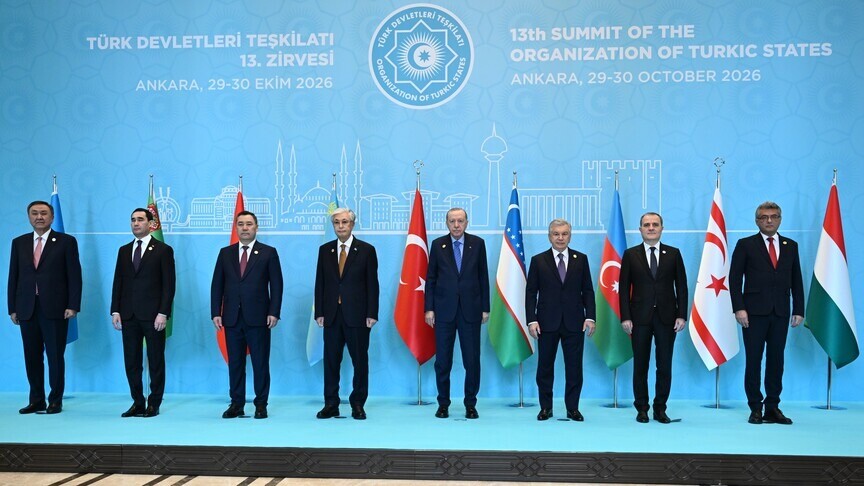
The 13th Summit of the Organization of Turkic States (OTS) is being held on October 29-30, 2026, in Ankara (Türkiye) at the "Bestepe" Presidential Complex under the chairmanship of Turkish leader Recep Tayyip Erdogan, under the slogan "Turkic Century: Unity in Language, Thought and Deed." 13th summit of heads of state of Turkic states kicks off Hosted by Turkish President Erdogan under theme Turkic Century: Unity in Language, Thought and Deed, summit begins with leaders gathering for family photo The 13th Summit of the Council of Heads of State of the Organization of Turkic States (OTS) began in Türkiye's capital Ankara on Friday. Hosted by Turkish President Recep Tayyip Erdogan under the theme Turkic Century: Unity in Language, Thought and Deed, the summit began with leaders gathering for a family photo. Erdogan welcomed the visiting leaders on their arrival at the Bestepe National Exhibition Hall. The family photo featured Erdogan, Kazakh President Kassym-Jomart Tokayev, Uzbek President Shavkat Mirziyoyev, Kyrgyz President Sadyr Japarov, Azerbaijani Foreign Minister Jeyhun Bayramov, Turkmen President Serdar Berdimuhamedov, and Turkish Republic of Northern Cyprus President Tufan Erhurman, representing observer states, as well as OTS Secretary General Kubanychbek Omuraliev.
The visiting leaders were also greeted at the entrance to the Bestepe National Exhibition Hall by soldiers carrying flags representing the 16 historical Turkic states, along with soldiers dressed in traditional janissary uniforms. By Esra Tekin Source: Anadolu Ajansı / Anadolu Agency, https://www.aa.com.tr/en/world/13th-summit-of-heads-of-state-of-turkic-states-kicks-off/4105975 |
Türkiye / Ankara | Allied relations | Azerbaijan, Kazakhstan, Kyrgyz Republic, Turkmenistan, Uzbekistan, Türkiye | Severance /Rupture or freezing /suspension of diplomatic relations | ||||||||||||||||||||||||||||||||||||||||||||||||||||||||||||||||||||||||||||||||||||||||||||||||||||||||||||||||||||||||||||||||||||||||||||||||||||||||||||||||||||||||||||||||||||||||||||||||||||||||||||||||||||||||||||||||||||||||||||||||||||||||||||||||||||||||||||||||||||||||||||||||||||||||||||||||||||||||||||||||||||||||||||||||||||||||||||||||||||||||||||||||||||||||||||||||||||||||||||||||||||||||||||||||||||||||||||||||||||||||||||||||||||||||||||||||||||||||||||||||||||||||||||||||||||||||||||||||||||||||||||||||||||||||||||||||||||||||||||||||||||||||||||||||||||||||||||||||||||||||||||||||||||||||||||||||||||||||||||||||||||||||||||||||||||||||||||||||||||||||||||||||||||||||||||||||||||||||||||||||||||||||||||||||||||||||||||||||||||||||||||||||||||||||||||||||||||||||||||||||
| October 29 2026 | Event |
Full text of the Framework Agreement between the United States of America and the Republic of Armenia on Strategic Cooperation Concerning the Trump Route for International Peace and Prosperity (TRIPP) Framework Agreement between the United States of America and the Republic of Armenia on Strategic Cooperation Concerning the Trump Route for International Peace and Prosperity (TRIPP)
Whereas, on August 8, 2025, the Prime Minister of the Republic of Armenia and the President of the Republic of Azerbaijan signed the Joint Declaration by the Prime Minister of the Republic of Armenia and the President of the Republic of Azerbaijan on the outcomes of their meeting in Washington D.C., United States of America (the “Joint Declaration”), the signing of which was witnessed by the President of the United States of America to advance the cause of lasting peace in the South Caucasus; Whereas, the United States of America and the Republic of Armenia desire a durable partnership between their two peoples and governments; Whereas, the United States of America and the Republic of Armenia aim for the Trump Route for International Peace and Prosperity (“TRIPP”) to contribute to regional peace, stability, prosperity, and integration, and to create a critical trade route to open new markets for both the Republic of Armenia and the United States of America, and to generate economic benefits for Armenian businesses during the development and operation of the TRIPP; Whereas, the United States of America and the Republic of Armenia recognize that the further institutionalization of peace between the Republic of Armenia and the Republic of Azerbaijan, including delimitation and demarcation of the inter-state borders; Armenia-Türkiye normalization; sustained U.S. engagement; and regional cooperation and stability will contribute to the success of TRIPP; Whereas, on January 13, 2026, the Secretary of State of the United States of America and the Minister of Foreign Affairs of the Republic of Armenia released the Joint Statement on the Publication of the U.S.-Armenia Implementation Framework for the Trump Route for International Peace and Prosperity (TRIPP) and the TRIPP Implementation Framework (the “TIF”) to advance the commitments made at the White House on August 8, 2025, and to strengthen the prosperity and security of Armenia and Azerbaijan and further U.S. commerce; Whereas, the Parties recognize that Armenia retains full sovereignty, territorial integrity, and jurisdiction over all TRIPP project areas within Armenia’s sovereign territory and affirm that this Agreement and the TRIPP are intended to serve as flagship mechanisms in pursuit of a peaceful and sovereign Armenia; Whereas, the TRIPP is intended to establish unimpeded, multimodal transit connectivity on the territory of Armenia, contributing to regional peace, stability, and integration on the basis of respect for sovereignty, territorial integrity, and jurisdiction of the Republic of Armenia, and while connecting the main part of Azerbaijan and its Nakhchivan Autonomous Republic and creating a vital link in the Trans-Caspian Trade Route, the TRIPP is expected to generate reciprocal benefits for international and intra-state connectivity for the Republic of Armenia; Recalling the Investment Incentive Agreement between the Government of the United States of America and the Government of the Republic of Armenia, signed at Washington April 2, 1992; an Agreement Between the Government of the United States and the Government of the Republic of Armenia Regarding Cooperation to Facilitate the Provision of Humanitarian and Technical Economic Assistance, signed at Yerevan December 15, 1992; and a Treaty Between the United States of America and the Republic of Armenia Concerning the Reciprocal Encouragement and Protection of Investment, signed at Washington September 23, 1992; Now, therefore, the United States of America (“United States”) and the Republic of Armenia (“Armenia”) (each a “Party” and together the “Parties”) hereby enter into this Framework Agreement Concerning the TRIPP (“Agreement”), as set forth herein.
Article 1: Definitions For purposes of this Agreement:
Article 2: Objectives of the Agreement
Article 3: Enabling the Establishment of a Joint Venture
Article 4: SPVs
Article 5: TRIPP Coordination and Enabling the Work of the TDC
Article 6: Land/Development Rights/Concessions
Article 7: Emergency Response and Infrastructure Security
Article 8: Customs/Border
Article 9: Taxation
Article 10: Dispute Settlement
Article 11: Technical Provisions
Source: Official website of the Ministry of Foreign Affairs of Armenia, https://usa.mfa.am/en/news/2026/05/26/TRIPP_Framework/13971?mfa_news=1 Official website of the U.S. Department of State, https://www.state.gov/wp-content/uploads/2026/06/TRIPP-Framework-Agreement-United-States-and-Armenia-June-2026-HRC1418739-Accessible-6.8.2026.pdf |
Armenia / Yerevan | Trump Route for International Peace and Prosperity-TRIPP | Armenia, USA | Adoption of a law | ||||||||||||||||||||||||||||||||||||||||||||||||||||||||||||||||||||||||||||||||||||||||||||||||||||||||||||||||||||||||||||||||||||||||||||||||||||||||||||||||||||||||||||||||||||||||||||||||||||||||||||||||||||||||||||||||||||||||||||||||||||||||||||||||||||||||||||||||||||||||||||||||||||||||||||||||||||||||||||||||||||||||||||||||||||||||||||||||||||||||||||||||||||||||||||||||||||||||||||||||||||||||||||||||||||||||||||||||||||||||||||||||||||||||||||||||||||||||||||||||||||||||||||||||||||||||||||||||||||||||||||||||||||||||||||||||||||||||||||||||||||||||||||||||||||||||||||||||||||||||||||||||||||||||||||||||||||||||||||||||||||||||||||||||||||||||||||||||||||||||||||||||||||||||||||||||||||||||||||||||||||||||||||||||||||||||||||||||||||||||||||||||||||||||||||||||||||||||||||||||
| October 28 2026 | Response |
FM: Armenia sees no return to CSTO
FM: Armenia sees no return to CSTO Armenia’s position on the CSTO remains unchanged, Minister of Foreign Affairs and International Trade Ararat Mirzoyan has said. Mirzoyan was asked to comment at a press briefing on a statement by former CSTO Secretary General Nikolay Bordyuzha that Armenia should be expelled from the organization because it is neither participating in its activities nor paying membership fees. “We stopped participating in the work of that organization long ago and froze our membership. If other member states of the organization or its secretariat are making comments, it is in vain. We will not change our position, and we do not see ourselves returning to the CSTO,” Mirzoyan said. Armenia has frozen its participation in CSTO activities since February 2024, citing the bloc’s failure to fulfill its security obligations. Source: Armenpress https://armenpress.am/en/article/1264083 |
Armenia / Gyumri | Allied relations, Contractual / Treaty obligations | Armenia, Russia | Absolute Condemnation & Counteraction | ||||||||||||||||||||||||||||||||||||||||||||||||||||||||||||||||||||||||||||||||||||||||||||||||||||||||||||||||||||||||||||||||||||||||||||||||||||||||||||||||||||||||||||||||||||||||||||||||||||||||||||||||||||||||||||||||||||||||||||||||||||||||||||||||||||||||||||||||||||||||||||||||||||||||||||||||||||||||||||||||||||||||||||||||||||||||||||||||||||||||||||||||||||||||||||||||||||||||||||||||||||||||||||||||||||||||||||||||||||||||||||||||||||||||||||||||||||||||||||||||||||||||||||||||||||||||||||||||||||||||||||||||||||||||||||||||||||||||||||||||||||||||||||||||||||||||||||||||||||||||||||||||||||||||||||||||||||||||||||||||||||||||||||||||||||||||||||||||||||||||||||||||||||||||||||||||||||||||||||||||||||||||||||||||||||||||||||||||||||||||||||||||||||||||||||||||||||||||||||||||
| October 28 2026 | Response |
Zakharova Calls Pashinyan’s Response “Aggressive”: The Politics Behind the EAEU’s Economic CalculationsZakharova Calls Pashinyan’s Response “Aggressive”: The Politics Behind the EAEU’s Economic CalculationsMoscow is gradually changing the language of its relationship with Armenia. Assurances of allied solidarity and historic friendship are giving way to calculations of economic losses and warnings of possible punitive measures. A report presented on October 20 by four members of the Eurasian Economic Union (EAEU) puts the potential costs of Armenia’s European ambitions in the billions of dollars. On October 28, Russian Foreign Ministry spokesperson Maria Zakharova described Prime Minister Nikol Pashinyan’s response as “hasty and even aggressive.” Together, these developments suggest that Moscow is increasingly using economic pressure to influence Armenia’s foreign-policy choices. The figures in the report paint a troubling picture. A possible suspension of the EAEU treaty’s application to Armenia is projected to reduce GDP by 15.6%, substantially accelerate inflation and sharply curtail trade with other member states. The price of Russian natural gas could rise from the current $177.50 to $300 per thousand cubic metres. These estimates rest on particular assumptions and should not be treated as inevitable outcomes. Their political significance, however, is unmistakable. Armenia is being presented with a scenario of severe economic losses whose materialisation could depend heavily on decisions taken by the very countries responsible for the report. That distinction matters. Credible economic forecasting requires independent assessments, comparisons between alternative scenarios and a clear explanation of underlying risks. Yet some of the projected consequences could result directly from political decisions by Armenia’s EAEU partners. The potential increase in gas prices offers the clearest illustration. The pipeline would remain the same, as would the supplier. What could change is the price, determined by Armenia’s foreign-policy orientation. Economic dependence thus becomes an instrument of political influence. The most revealing part of Zakharova’s remarks concerns Armenia’s European prospects. She claims that Armenian officials privately acknowledge to their Russian counterparts that EU membership is an unrealistic objective. No publicly substantiated evidence has been presented to support this assertion. Its political purpose, however, is readily apparent. Moscow appears intent on questioning the credibility of Armenia’s European course, undermining public confidence in the government’s statements and reinforcing the belief that reducing dependence on Russia would entail severe economic costs. The debate over Armenia’s European future is consequently being drawn into a climate of fear and uncertainty. The underlying objective is to strengthen the perception among Armenians that their country has no viable alternative. There is, however, a fundamental contradiction in the Russian position. If Armenia’s European ambitions are genuinely without prospect, Moscow’s growing concern over Yerevan’s moves towards Europe becomes difficult to explain. The fact that four EAEU states have commissioned an assessment of the economic consequences suggests that Russia takes Armenia’s changing foreign-policy direction seriously. What concerns Moscow is the prospect of a further decline in its influence across the South Caucasus, particularly as the regional balance of power has already undergone significant changes. These developments also impose serious responsibilities on Armenia’s own leadership. European integration demands thorough economic preparation. The government must assess potential export losses, alternative energy supplies, changes in industrial relationships and realistic opportunities to enter new markets. Armenia’s economic structure cannot be transformed by a single political decision. Such a transition will require years of sustained effort, investment, competitive industries and effective public administration. The significance of Armenia’s European choice must also be understood in broader terms. EU membership is a lengthy and complex undertaking, with an outcome shaped by numerous political and institutional factors. Nevertheless, reforms pursued as part of European integration could substantially improve the quality of Armenia’s economy and governance. Independent courts, protection of competition and property rights, and a predictable business environment are fundamental requirements for the country’s development. The debate surrounding the EAEU exposes a deeper problem. Membership in an economic union presupposes mutual benefits, common rules and clearly defined obligations. The possibility that these arrangements could be reconsidered in response to Armenia’s foreign-policy decisions illustrates the considerable weight of politics within the organisation. This raises fundamental questions about Armenia’s economic development model, whose stability remains heavily dependent on the state of its external political relationships. The calculations presented by Russia deserve careful scrutiny. Many of the economic risks they identify have existed for years. What has changed is that these longstanding dependencies are now being publicly framed in the context of Armenia’s political choices. That should provide a powerful incentive to accelerate economic diversification, develop alternative sources of energy and broaden the geographical reach of the country’s foreign trade. Armenia cannot disregard the importance of its economic relations with Russia. Preserving those ties and ensuring their development remains as predictable as possible serves the country’s interests. At the same time, Armenia needs to expand its economic options systematically, reducing the extent to which external dependencies constrain political decision-making. Moscow is now calculating the potential costs to Armenia. The responsibility of Armenia’s leadership is to meet those calculations with a credible economic development strategy. Over the long term, the strength of Armenia’s independence will depend on its ability to build the economic foundations necessary to sustain sovereign political choices. Source: 1in.am https://en.1in.am/1082894.html |
Russia / Moscow | Trade and economic relations, Armenia's intention to withdraw from / remain within the Eurasian Economic Union (EAEU) | Russia, Armenia | Absolute / Direct Opposition, Absolute Condemnation & Counteraction | ||||||||||||||||||||||||||||||||||||||||||||||||||||||||||||||||||||||||||||||||||||||||||||||||||||||||||||||||||||||||||||||||||||||||||||||||||||||||||||||||||||||||||||||||||||||||||||||||||||||||||||||||||||||||||||||||||||||||||||||||||||||||||||||||||||||||||||||||||||||||||||||||||||||||||||||||||||||||||||||||||||||||||||||||||||||||||||||||||||||||||||||||||||||||||||||||||||||||||||||||||||||||||||||||||||||||||||||||||||||||||||||||||||||||||||||||||||||||||||||||||||||||||||||||||||||||||||||||||||||||||||||||||||||||||||||||||||||||||||||||||||||||||||||||||||||||||||||||||||||||||||||||||||||||||||||||||||||||||||||||||||||||||||||||||||||||||||||||||||||||||||||||||||||||||||||||||||||||||||||||||||||||||||||||||||||||||||||||||||||||||||||||||||||||||||||||||||||||||||||||
| October 28 2026 | Event |
Armenian Parliament ratifies Armenia-U.S. TRIPP framework agreement Parliament ratifies Armenia-U.S. TRIPP framework agreement The Armenian parliament ratified the Framework Agreement between Armenia and the United States on Strategic Cooperation Concerning the Trump Route for International Peace and Prosperity (TRIPP), with 63 votes in favor and 32 against. The Civil Contract faction voted in favor of ratification, while the opposition Strong Armenia and Armenia (Hayastan) factions voted against it. The agreement was presented to parliament by Armenia’s Minister of Foreign Affairs and International Trade Ararat Mirzoyan. During the debate on October 27, he emphasized that all infrastructure planned on Armenia’s territory would operate under the sovereignty and jurisdiction of the Republic of Armenia. He said the project envisages unblocking regional communications, allowing Armenia to connect with third countries through Azerbaijan and also ensuring domestic railway connectivity. Azerbaijan, in turn, would gain a connection with Nakhchivan through Armenian territory. The agreement provides for the establishment of a TRIPP Development Company, in which Armenia will hold a 26% stake and the U.S. side a 74% stake. The initial term is 49 years. If the cooperation is extended for another 50 years by mutual agreement between the parties, Armenia’s stake will increase to 49%, while the U.S. side will hold 51%. Mirzoyan also said on October 27 that the company’s charter and shareholders’ agreement still needed to be negotiated and adopted. According to him, the American co-founder company will remain under the ownership and management of the U.S. government at all times. The agreement was signed in June 2026. Source: Armenpress, https://armenpress.am/en/article/1264087 |
Armenia / Yerevan | Trump Route for International Peace and Prosperity-TRIPP, Trade and economic relations | Armenia, USA | Ratification of a treaty / an agreement | ||||||||||||||||||||||||||||||||||||||||||||||||||||||||||||||||||||||||||||||||||||||||||||||||||||||||||||||||||||||||||||||||||||||||||||||||||||||||||||||||||||||||||||||||||||||||||||||||||||||||||||||||||||||||||||||||||||||||||||||||||||||||||||||||||||||||||||||||||||||||||||||||||||||||||||||||||||||||||||||||||||||||||||||||||||||||||||||||||||||||||||||||||||||||||||||||||||||||||||||||||||||||||||||||||||||||||||||||||||||||||||||||||||||||||||||||||||||||||||||||||||||||||||||||||||||||||||||||||||||||||||||||||||||||||||||||||||||||||||||||||||||||||||||||||||||||||||||||||||||||||||||||||||||||||||||||||||||||||||||||||||||||||||||||||||||||||||||||||||||||||||||||||||||||||||||||||||||||||||||||||||||||||||||||||||||||||||||||||||||||||||||||||||||||||||||||||||||||||||||||
| October 28 2026 | Response |
Ex-CSTO Chief Calls for Armenia’s Expulsion Over ‘Ambivalent’ Stance Ex-CSTO Chief Calls for Armenia’s Expulsion Over ‘Ambivalent’ Stance Nikolay Bordyuzha, the former Secretary General of the Collective Security Treaty Organization (CSTO), has stated that Armenia should be removed from the military alliance. Speaking to the Russian news agency RIA Novosti, Bordyuzha argued that while Armenia currently abstains from the bloc's activities, it technically remains a full member—a status that legally forces all alliance decisions to be coordinated with Yerevan. "If they suspend their participation but do not withdraw from the organization, they remain a full member of the CSTO," Bordyuzha stated. "And if they are a full member, it means that all decisions adopted by the CSTO—which require consensus—must be made by taking their position into account as well. Yet, as it stands, that position essentially runs counter to the activities of the CSTO." Bordyuzha asserted that the correct path forward would be for Armenia to withdraw from the organization entirely. Failing a voluntary departure, the former Secretary General insisted that the bloc must take decisive action to expel the Caucasus nation. "I would expel them," Bordyuzha said. "They do not pay their membership dues, nor do they participate in the organization's activities. If we approach this matter seriously—assuming they are truly serious partners—they should simply withdraw from the organization. But since they maintain an ambivalent stance—neither leaving, nor engaging, nor participating, nor wishing to participate—they ought to be expelled." The CSTO, a regional security alliance, comprises Russia, Belarus, Kazakhstan, Kyrgyzstan, Tajikistan, and Armenia. However, Yerevan has frozen its participation in the organization since September 2023. Following the recall of its envoy Viktor Biyagov, Armenia has notably left its permanent representative seat vacant. The political deadlock persists despite earlier clarifications from Armenian Prime Minister Nikol Pashinyan, who noted that Yerevan does not actively exercise a veto over CSTO decisions but remains prepared to strengthen relations with its partners. According to Yerevan, the freezing of Armenia’s participation stems from the fact that the CSTO failed to fulfill its security obligations during regional conflicts. Source: Hetq.am https://hetq.am/en/article/185056 |
Russia / Moscow | Contractual / Treaty obligations | Russia, Armenia | Absolute / Direct Opposition, Absolute Condemnation & Counteraction | ||||||||||||||||||||||||||||||||||||||||||||||||||||||||||||||||||||||||||||||||||||||||||||||||||||||||||||||||||||||||||||||||||||||||||||||||||||||||||||||||||||||||||||||||||||||||||||||||||||||||||||||||||||||||||||||||||||||||||||||||||||||||||||||||||||||||||||||||||||||||||||||||||||||||||||||||||||||||||||||||||||||||||||||||||||||||||||||||||||||||||||||||||||||||||||||||||||||||||||||||||||||||||||||||||||||||||||||||||||||||||||||||||||||||||||||||||||||||||||||||||||||||||||||||||||||||||||||||||||||||||||||||||||||||||||||||||||||||||||||||||||||||||||||||||||||||||||||||||||||||||||||||||||||||||||||||||||||||||||||||||||||||||||||||||||||||||||||||||||||||||||||||||||||||||||||||||||||||||||||||||||||||||||||||||||||||||||||||||||||||||||||||||||||||||||||||||||||||||||||||
| October 27 2026 | Response |
"It would be appropriate for our Ministry of Foreign Affairs to consider banning David Arushanyan from entering Russia,"- Russian Senator Vladimir Dzhabarov. Senator Vladimir Dzhabarov calls for banning Shirak Governor Arushanyan from entering Russia over "Ivans" remark
Vladimir Dzhabarov, Head of the Committee on Rules of the Federation Council (Senate) of the Russian Federation, has proposed considering a ban on the entry of Shirak Governor David Arushanyan to Russia.
"The Governor of Armenia’s Shirak Province, David Arushanyan, allowed himself to speak disparagingly about Russians, calling them 'Ivans.' I believe there should be real accountability for such words. It would be appropriate for our Ministry of Foreign Affairs to consider banning David Arushanyan from entering Russia," Dzhabarov wrote on his "Max" platform channel.
The senator believes that Arushanyan should be reminded of historical facts.
"It was those very 'Ivans' who once saved Armenia from genocide, and subsequently the entire world from the fascist 'brown plague.' And today, our border guards and the 102nd military base are stationed in Gyumri, protecting the peace of local residents. Instead of inappropriate rhetoric, the governor should have simply expressed gratitude," the politician emphasized.
In Dzhabarov's view, when an official allows themselves such disparaging remarks, it is not merely an attempt to incite inter-ethnic enmity.
"Our embassy reacted correctly, drawing parallels with the Nazi vocabulary used during the Great Patriotic War. Unfortunately, this official operates according to the standard methodology of Western non-governmental organizations, the application of which we have already witnessed in Ukraine, Moldova, and the Baltic States when promoting Russophobic slogans," the senator concluded.
"The Russian Embassy in Yerevan had earlier expressed outrage regarding Arushanyan's statement about 'Ivans,' noting that it resembles the vocabulary of German Nazis during the Great Patriotic War.
David Arushanyan had criticized the Gyumri Day celebration organized by the opposition 'Strong Armenia' party on the Facebook social network, specifically writing that 'the people of Gyumri are not your Ivans.' The Armenian authorities believe that the party led by Samvel Karapetyan is a pro-Russian force promoting the interests of the Russian Federation in the country," notes RIA Novosti.
Source: Ria Novosti, https://ria.ru/20261027/armeniya-2127312813.html
|
Russia / Moscow | Interstate friendly relations, Allied relations | Russia, Armenia | Absolute / Direct Opposition, Absolute Condemnation & Counteraction | ||||||||||||||||||||||||||||||||||||||||||||||||||||||||||||||||||||||||||||||||||||||||||||||||||||||||||||||||||||||||||||||||||||||||||||||||||||||||||||||||||||||||||||||||||||||||||||||||||||||||||||||||||||||||||||||||||||||||||||||||||||||||||||||||||||||||||||||||||||||||||||||||||||||||||||||||||||||||||||||||||||||||||||||||||||||||||||||||||||||||||||||||||||||||||||||||||||||||||||||||||||||||||||||||||||||||||||||||||||||||||||||||||||||||||||||||||||||||||||||||||||||||||||||||||||||||||||||||||||||||||||||||||||||||||||||||||||||||||||||||||||||||||||||||||||||||||||||||||||||||||||||||||||||||||||||||||||||||||||||||||||||||||||||||||||||||||||||||||||||||||||||||||||||||||||||||||||||||||||||||||||||||||||||||||||||||||||||||||||||||||||||||||||||||||||||||||||||||||||||||
| October 27 2026 | Event |
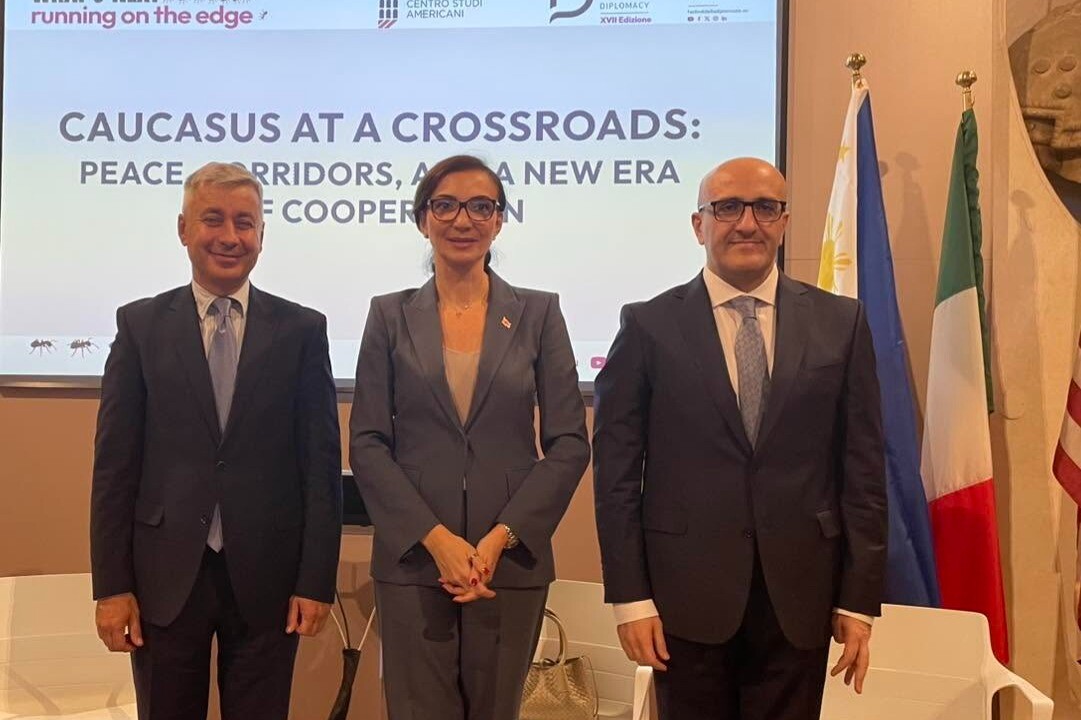
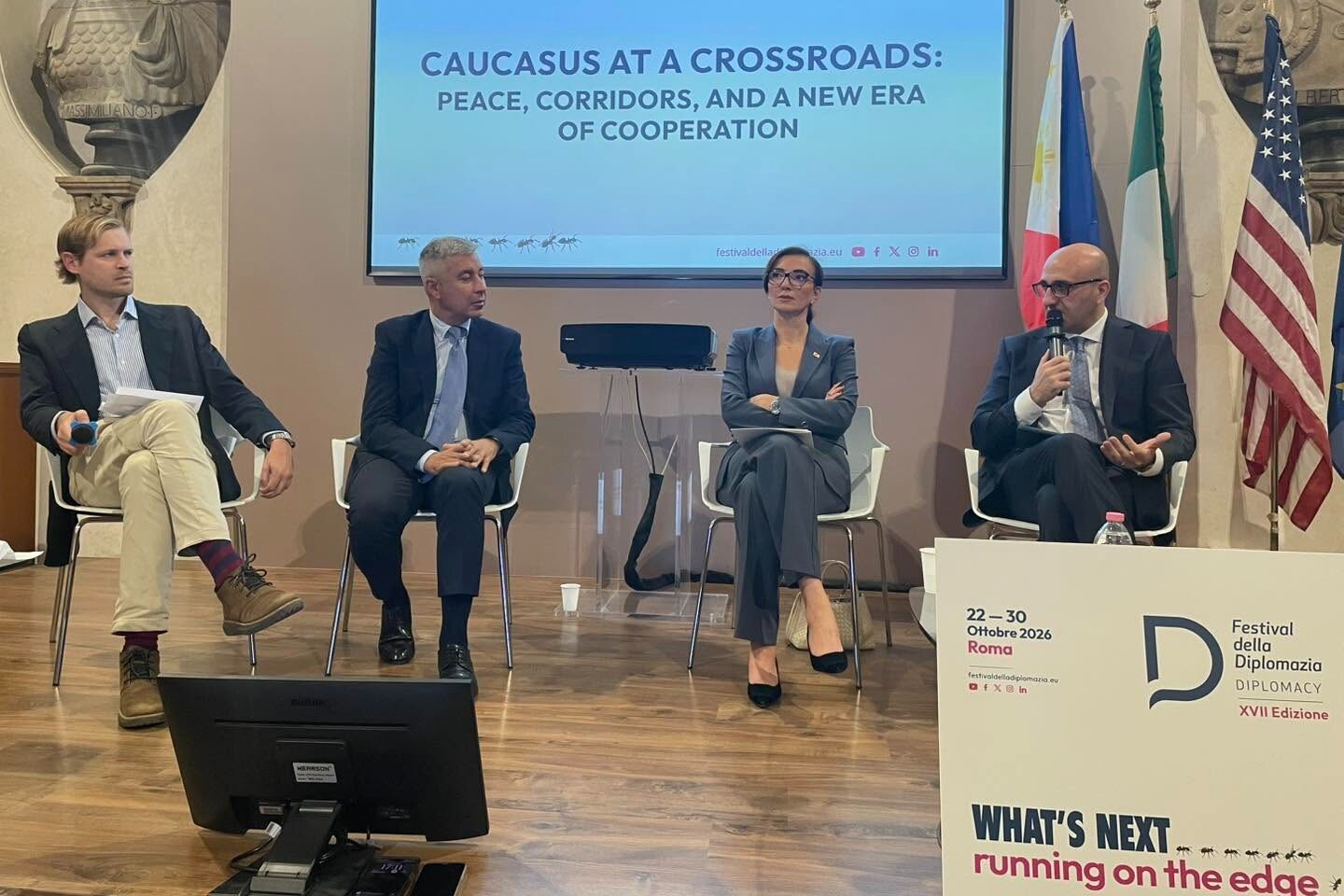
The ambassadors of Armenia, Azerbaijan, and Georgia discussed the issues of strengthening peace and stability in the South Caucasus. Armenian, Azerbaijani and Georgian ambassadors to Italy discuss regional cooperation at panel Armenia’s Ambassador to Italy Vladimir Karapetyan, Azerbaijan’s Ambassador Elchin Huseynli, and Georgia’s Ambassador Tamara Liluashvili participated in a panel discussion titled “Caucasus at a Crossroads: Peace, Corridors, and a New Era of Cooperation,” organized by Festival della Diplomazia.
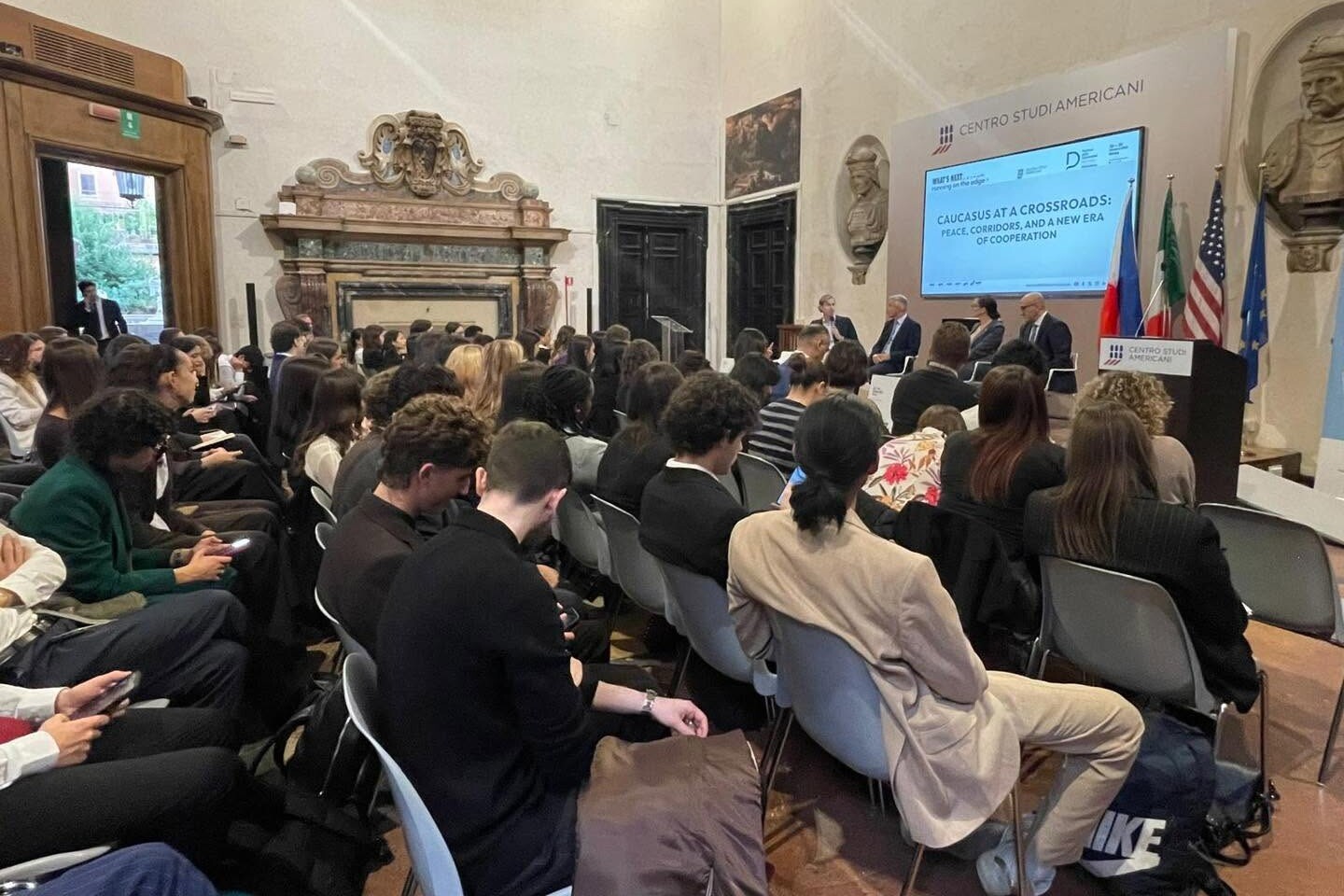
The event was attended by approximately 150 academics and students from various Italian universities, journalists, and heads and representatives of think tanks, the Armenian Embassy in Italy said in a press release. The discussion focused on strengthening peace in the region, developing transport links, expanding cooperation among South Caucasus countries, and prospects for improving connectivity between Central Asia, the South Caucasus, and Europe.
In his remarks, Ambassador Karapetyan addressed the steps and initiatives undertaken by the Armenian government and Prime Minister Nikol Pashinyan to strengthen peace in the region, emphasizing the importance of dialogue, cooperation, and building mutual trust. The ambassador also noted that, following the public’s backing in the parliamentary elections held this summer, the Armenian authorities had intensified their efforts to establish and maintain peace and stability in the region. He said that active dialogue with all countries in the region, initiatives to build trust, and concrete steps were aimed at consolidating the peace achieved.
Ambassador Karapetyan also expressed hope that the Armenian authorities’ commitment to ensuring a peaceful future for the region was in line with the aspirations of other South Caucasus countries. Published by Armenpress, original at https://armenpress.am/en/article/1264213 Source: Armenpress, https://armenpress.am/en/article/1264213 |
Italy / Rome | Peace agenda / Peace treaty, Peace, prosperity, and interconnectedness | Azerbaijan, Georgia, Armenia | Severance /Rupture or freezing /suspension of diplomatic relations | ||||||||||||||||||||||||||||||||||||||||||||||||||||||||||||||||||||||||||||||||||||||||||||||||||||||||||||||||||||||||||||||||||||||||||||||||||||||||||||||||||||||||||||||||||||||||||||||||||||||||||||||||||||||||||||||||||||||||||||||||||||||||||||||||||||||||||||||||||||||||||||||||||||||||||||||||||||||||||||||||||||||||||||||||||||||||||||||||||||||||||||||||||||||||||||||||||||||||||||||||||||||||||||||||||||||||||||||||||||||||||||||||||||||||||||||||||||||||||||||||||||||||||||||||||||||||||||||||||||||||||||||||||||||||||||||||||||||||||||||||||||||||||||||||||||||||||||||||||||||||||||||||||||||||||||||||||||||||||||||||||||||||||||||||||||||||||||||||||||||||||||||||||||||||||||||||||||||||||||||||||||||||||||||||||||||||||||||||||||||||||||||||||||||||||||||||||||||||||||||||
| October 26 2026 | Response |
The Russian Embassy in Armenia drew a parallel between the Shirak governor’s statements about certain “Ivans” and the lexicon of the German Nazis during World War II. The Russian Embassy in Armenia drew a parallel between the Shirak governor’s statements about certain “Ivans” and the lexicon of the German Nazis during World War II. The Russian Embassy in Armenia drew a comparison between statements by Shirak Province Governor David Arushanyan about certain “Ivans” and the lexicon of the German Nazis during the Great Patriotic War. The Russian diplomatic mission said it had reacted with bewilderment to the mention of certain “Ivans” in a post on Shirak Province Governor David Arushanyan’s personal Facebook page dated October 17, 2026, which “involuntarily brings to mind the lexicon of the German Nazis during the Great Patriotic War.” “We received with bewilderment the reference to some 'Ivans' in the post made by the Governor of Shirak Region, D. V. Arushanyan, on his personal page on the Facebook social network on October 17, 2026, which involuntarily recalls the vocabulary of German Nazis during the Great Patriotic War. We would not like to think that an official heading a region where the 102nd Russian military base and Russian border guards serve considers public statements that could provoke national hostility toward Russians to be acceptable, which would fundamentally contradict the spirit of the centuries-old friendship between the peoples of our countries,” the statement by the Russian Embassy in Armenia, published on the diplomatic mission’s social media, said. It should be noted that the governor of Shirak Province published an angry post on his Facebook page in connection with the organization by the “Strong Armenia” party of Samvel Karapetyan of festive events marking Gyumri Day. “Several video cameras, several concerned faces, several high-sounding phrases about ‘our Gyumri’—and there you have yet another political performance ready. All that remains is to find an audience. But there is one small inconvenience here: Gyumri is not your ‘Nizhny Tabor,’ and Gyumri residents are not your ‘Ivans,’” Arushanyan wrote. As a postscript, he added: “We are a hospitable people; our guests are above all else to us. But do not try to jump above our heads—falling from a height is painful. Touring performers, be careful.” We should add that since 2025, the Armenian prime minister, while making barbed remarks about Russian businessman of Armenian origin Samvel Karapetyan, who conducted business activities in Kaluga at the beginning of his career, has periodically used the phrase, “This isn’t Nizhny Tapr, Samvel Kaluzhsky.” Source: ArmInfo, https://arminfo.info/full_news.php?id=105245&lang=3 |
Armenia / Yerevan | Interstate friendly relations, Allied relations, 102nd Russian Military Base in Armenia | Russia, Armenia | Absolute Condemnation & Counteraction | ||||||||||||||||||||||||||||||||||||||||||||||||||||||||||||||||||||||||||||||||||||||||||||||||||||||||||||||||||||||||||||||||||||||||||||||||||||||||||||||||||||||||||||||||||||||||||||||||||||||||||||||||||||||||||||||||||||||||||||||||||||||||||||||||||||||||||||||||||||||||||||||||||||||||||||||||||||||||||||||||||||||||||||||||||||||||||||||||||||||||||||||||||||||||||||||||||||||||||||||||||||||||||||||||||||||||||||||||||||||||||||||||||||||||||||||||||||||||||||||||||||||||||||||||||||||||||||||||||||||||||||||||||||||||||||||||||||||||||||||||||||||||||||||||||||||||||||||||||||||||||||||||||||||||||||||||||||||||||||||||||||||||||||||||||||||||||||||||||||||||||||||||||||||||||||||||||||||||||||||||||||||||||||||||||||||||||||||||||||||||||||||||||||||||||||||||||||||||||||||||
| October 26 2026 | Event |
Presidential Chief Advisor Saral Resigns: 'It Does Not Mean a Step Back From the Values I Believe In' Presidential Chief Advisor Saral Resigns: 'It Does Not Mean a Step Back From the Values I Believe In' Oktay Saral, Chief Advisor to the President, announced that he has resigned from his post. Over the weekend, reports had emerged that Saral was dismissed, but no official statement had been made. In a post on his social media account, Saral stated, "I have submitted my resignation from the position of Chief Advisor to our Honorable President Mr. Recep Tayyip Erdoğan, which I have carried out with great honor, glory, and responsibility since 2016." In recent days, reports regarding Saral's departure from office had appeared in the national press. The former chief advisor had come to the fore, especially with his criticisms regarding the headscarf practices in Azerbaijan. In a post on his X account on October 12, Saral stated, "Obstruction of the right to education for students with headscarves in Azerbaijan is unacceptable. Such an understanding must never be allowed in this era." In his statement on October 26, Saral noted that his resignation did not mean a step back from the values he defended or his will to serve the nation, adding, "Just as yesterday, today and tomorrow, I will continue to walk the path alongside our Honorable President with the same faith and determination." Shortly before Saral's resignation announcement, his interview with the Nefes newspaper was published. When asked whether his dismissal was connected to his statements about Azerbaijan, Saral replied, "I am of the opinion that it is so, but I do not know for certain. Our Secretary General delivered the news to me on Saturday. And I received it with great maturity." In his interview, Saral also used the expression, "Our President deemed it appropriate. It is welcome on our heads and eyes (an expression meaning it is accepted with utmost respect)." Drawing attention to the importance of relations with Azerbaijan, Saral said, "Countries may have certain problems and difficulties. Due to our critical relationship with Azerbaijan in particular, it is natural for some decisions to be taken. For us, as long as our country continues on its path, it is enough." Journalist Talat Atilla, in a post on his X account, shared that he spoke with Saral and asked him whether he had been dismissed. According to Atilla's post, Saral said, "Yes. We do not exist because of positions. Our Honorable President appointed me, and I left upon his instructions. I hold no grudges against anyone." To the question, "Was it because of your statements about Azerbaijan?", Saral reportedly replied, "Yes, it seems so." According to the post, Saral also noted, "What matters is the Republic of Türkiye. What matters is the success of our Honorable President." What Had Happened? The new dress code rules introduced by Azerbaijan in schools turned into a debate that spread to Türkiye as well. The regulations emphasized the secular character of education and requested compliance with the school uniform. The terms "headscarf" or "hijab" are not explicitly mentioned in the legal text. Despite this, it was reported in the press that the rules were applied as a restriction against students and teachers with headscarves in some schools. Following this, some students who were not admitted to school tried to continue their lessons by sitting in school yards and on stairs. Some teachers removed their headscarves, while others submitted petitions stating they left their jobs "by their own choice." The news was interpreted in Türkiye as a "headscarf ban" being implemented in Azerbaijani schools. The government of Azerbaijan declared 31 Turkish citizens as "persona non grata" on October 21 and banned their entry into the country. Turkish President Recep Tayyip Erdoğan held a phone conversation with Azerbaijani President Ilham Aliyev on the same day. Azerbaijani media evaluated the meeting as a confirmation of the strategic partnership and mutual trust between the two countries. According to the statement made by the Turkish side, Erdoğan emphasized during the call that Türkiye and Azerbaijan "will carry their cooperation even further with the strength derived from their brotherly relations." Fatih Erbakan, the Chairman of the Yeniden Refah (New Welfare) Party, who was among those declared "persona non grata," shared a post on his social media account regarding Saral's resignation, saying, "Just because Aliyev wanted it, our Honorable President does not hesitate to sacrifice his own chief advisor." It was also noted that Erdoğan invited Aliyev to the Organization of Turkic States Summit to be held in Ankara on October 29–30. Source: BBC Türkçe, https://www.bbc.com/turkce/articles/c9zrd444vl5jo |
Türkiye / Ankara | Allied relations | Azerbaijan, Türkiye | Severance /Rupture or freezing /suspension of diplomatic relations | ||||||||||||||||||||||||||||||||||||||||||||||||||||||||||||||||||||||||||||||||||||||||||||||||||||||||||||||||||||||||||||||||||||||||||||||||||||||||||||||||||||||||||||||||||||||||||||||||||||||||||||||||||||||||||||||||||||||||||||||||||||||||||||||||||||||||||||||||||||||||||||||||||||||||||||||||||||||||||||||||||||||||||||||||||||||||||||||||||||||||||||||||||||||||||||||||||||||||||||||||||||||||||||||||||||||||||||||||||||||||||||||||||||||||||||||||||||||||||||||||||||||||||||||||||||||||||||||||||||||||||||||||||||||||||||||||||||||||||||||||||||||||||||||||||||||||||||||||||||||||||||||||||||||||||||||||||||||||||||||||||||||||||||||||||||||||||||||||||||||||||||||||||||||||||||||||||||||||||||||||||||||||||||||||||||||||||||||||||||||||||||||||||||||||||||||||||||||||||||||||
| October 26 2026 | Response |
Presidential Assistant: Armenian society should apologize to Azerbaijanis who were unable to return to their homeland for 30 years Presidential Assistant: Armenian society should apologize to Azerbaijanis who were unable to return to their homeland for 30 years "There are certain events that we cannot erase from history," Hikmat Hajiyev, Assistant to the President of Azerbaijan and Head of the Foreign Policy Affairs Department of the Presidential Administration, said at a special session on "The Language of Peace and Combating Disinformation" held within the framework of the "Baku Culture and Media Dialogue Platform," APA reports. "However, we have no intention of seeking revenge. Steps still need to be taken and initiatives put forward to achieve lasting peace. Armenia should apologize to the Azerbaijani people. Armenian society should apologize to Azerbaijanis who were unable to return to their homeland for 30 years," the Presidential Assistant said. |
Armenia / Yerevan | Conflict resolution / settlement, Political independence and sovereignty, Peace, prosperity, and interconnectedness | Azerbaijan, Armenia | Absolute / Direct Opposition, Absolute Condemnation & Counteraction | ||||||||||||||||||||||||||||||||||||||||||||||||||||||||||||||||||||||||||||||||||||||||||||||||||||||||||||||||||||||||||||||||||||||||||||||||||||||||||||||||||||||||||||||||||||||||||||||||||||||||||||||||||||||||||||||||||||||||||||||||||||||||||||||||||||||||||||||||||||||||||||||||||||||||||||||||||||||||||||||||||||||||||||||||||||||||||||||||||||||||||||||||||||||||||||||||||||||||||||||||||||||||||||||||||||||||||||||||||||||||||||||||||||||||||||||||||||||||||||||||||||||||||||||||||||||||||||||||||||||||||||||||||||||||||||||||||||||||||||||||||||||||||||||||||||||||||||||||||||||||||||||||||||||||||||||||||||||||||||||||||||||||||||||||||||||||||||||||||||||||||||||||||||||||||||||||||||||||||||||||||||||||||||||||||||||||||||||||||||||||||||||||||||||||||||||||||||||||||||||||
| October 25 2026 | Response |
Erdogan has sacked his adviser amid efforts to repair ties with Azerbaijan over the headscarf row, meeting Baku's demand and seeking to secure President Ilham Aliyev's attendance at the Turkic states summit. Erdogan sacks adviser amid efforts to repair ties with Azerbaijan over headscarf row Adviser’s removal meets demand from Baku as Turkey seeks to secure President Ilham Aliyev’s attendance at a Turkic states summit Turkish President Recep Tayyip Erdogan sacked a chief adviser on Sunday in an effort to mend ties with Azerbaijan amid a dispute over a headscarf ban, Middle East Eye understands.
Oktay Saral, a chief presidential adviser, confirmed his dismissal to MEE. “I have absolute respect for the president’s decision,” he said in a message. MEE understands that Saral was dismissed to meet Azerbaijani demands aimed at ending the crisis between the two countries, which share ethnic, cultural, religious and historical ties. A headscarf ban imposed by Azerbaijan in primary and secondary schools last month triggered protests in Turkey and criticism of Baku. Saral also posted a message on social media at the time, criticising the decision and calling on Baku to reverse it. His comments drew a harsh rebuke earlier this month from Azerbaijani President Ilham Aliyev’s New Azerbaijan Party, which urged Ankara to avoid hegemonic tendencies in the Islamic world. Ankara has been trying to persuade Aliyev to attend the Organisation of Turkic States summit in Turkey later this week. Both Turkish and Azerbaijani readouts of a phone call between the two leaders on Thursday said Erdogan had invited Aliyev to the summit, but neither indicated whether he would attend. Turkish officials were concerned that Aliyev, angered by the protests in Turkey against the headscarf ban, might skip the summit. MEE reported last week that Azerbaijan had demanded that Ankara sack Saral, along with the prosecution of social media commentators who had insulted Aliyev. “Saral’s ouster would encourage Aliyev to participate in the Turkic states summit,” an Azerbaijani source told MEE. “Before this decision, the likelihood was less than fifty percent.” Earlier Turkish attempts to defuse tensions had failed to improve relations, with Turkish Foreign Minister Hakan Fidan’s visit to Baku prompting a wave of hostile coverage in Azerbaijani media. By Ragip Soylu Source: Middle East Eye, https://www.middleeasteye.net/news/erdogan-sacks-adviser-mend-ties-azerbaijan-amid-headscarf-spat
|
Türkiye / Ankara | Allied relations | Türkiye, Azerbaijan | Full / Comprehensive Support, Pragmatic / Qualified Acceptance | ||||||||||||||||||||||||||||||||||||||||||||||||||||||||||||||||||||||||||||||||||||||||||||||||||||||||||||||||||||||||||||||||||||||||||||||||||||||||||||||||||||||||||||||||||||||||||||||||||||||||||||||||||||||||||||||||||||||||||||||||||||||||||||||||||||||||||||||||||||||||||||||||||||||||||||||||||||||||||||||||||||||||||||||||||||||||||||||||||||||||||||||||||||||||||||||||||||||||||||||||||||||||||||||||||||||||||||||||||||||||||||||||||||||||||||||||||||||||||||||||||||||||||||||||||||||||||||||||||||||||||||||||||||||||||||||||||||||||||||||||||||||||||||||||||||||||||||||||||||||||||||||||||||||||||||||||||||||||||||||||||||||||||||||||||||||||||||||||||||||||||||||||||||||||||||||||||||||||||||||||||||||||||||||||||||||||||||||||||||||||||||||||||||||||||||||||||||||||||||||||
| October 23 2026 | Event |
United States Donates $1.4 Million in Equipment to Strengthen Armenia’s Border Security United States Donates $1.4 Million in Equipment to Strengthen Armenia’s Border Security The United States donated approximately $1.4 million in vehicles and specialized equipment to Armenia’s Border Guard during a ceremony attended by U.S. Deputy Assistant Secretary of State for Security Assistance Programs Shawna Wilson, U.S. Chargé d’Affaires David Allen, and Armenian Border Guard Chief of Staff Colonel Roman Sahakyan. The U.S. Department of State’s Export Control and Border Security (EXBS) program provided the donation, which includes vehicles, ambulances, protective equipment, maintenance tools, and modern IT equipment for the Ayrum border crossing point. The equipment will enhance operational mobility, strengthen border management capabilities, and support the ongoing modernization of Armenia’s Border Guard. The donation reflects the strong U.S.-Armenia partnership in border security. U.S. assistance will help strengthen the Armenian Border Guard’s capacity to protect Armenia’s sovereignty and facilitate the secure movement of people and goods as it assumes greater responsibility for securing the country’s borders. This includes along routes important to regional connectivity and the Trump Route for International Peace and Prosperity (TRIPP). The United States remains committed to supporting the development of a modern, professional, and well-equipped Armenian Border Guard, to contribute to a safer and more prosperous future for Armenia, the region, and the United States. Source: usembassy.gov https://am.usembassy.gov/united-states-donates-1-4-million-in-equipment-to-strengthen-armenias-border-security/ |
Armenia / Yerevan | Trump Route for International Peace and Prosperity-TRIPP, Strategic Partnership | — | — | ||||||||||||||||||||||||||||||||||||||||||||||||||||||||||||||||||||||||||||||||||||||||||||||||||||||||||||||||||||||||||||||||||||||||||||||||||||||||||||||||||||||||||||||||||||||||||||||||||||||||||||||||||||||||||||||||||||||||||||||||||||||||||||||||||||||||||||||||||||||||||||||||||||||||||||||||||||||||||||||||||||||||||||||||||||||||||||||||||||||||||||||||||||||||||||||||||||||||||||||||||||||||||||||||||||||||||||||||||||||||||||||||||||||||||||||||||||||||||||||||||||||||||||||||||||||||||||||||||||||||||||||||||||||||||||||||||||||||||||||||||||||||||||||||||||||||||||||||||||||||||||||||||||||||||||||||||||||||||||||||||||||||||||||||||||||||||||||||||||||||||||||||||||||||||||||||||||||||||||||||||||||||||||||||||||||||||||||||||||||||||||||||||||||||||||||||||||||||||||||||
| October 20 2026 | Event |
EEC received report on potential consequences of suspending EAEU Treaty with respect to Armenia EEC received report on potential consequences of suspending EAEU Treaty with respect to Armenia A Joint Appeal addressed to the Supreme Eurasian Economic Council from Members of the Eurasian Intergovernmental Council representing the Republic of Belarus, the Republic of Kazakhstan, the Kyrgyz Republic, and the Russian Federation, with attachment a report titled "On the Potential Consequences of Suspending the Application of the Treaty on the Eurasian Economic Union dated May 29, 2014, with Respect to the Republic of Armenia" has received by the Eurasian Economic Commission. The report was prepared in pursuance of the Joint Statement of the Presidents of the Republic of Belarus, the Republic of Kazakhstan, the Kyrgyz Republic and the Russian Federation dated May 29, 2026. The document will be officially submitted to the Members of the Supreme Eurasian Economic Council. Source: Website of the Eurasian Economic Commission, https://eec.eaeunion.org/en/news/v-eek-postupil-doklad-o-vozmozhnykh-posledstviyakh-priostanovleniya-v-otnoshenii-armenii-deystviya-d/ |
Russia / Moscow | Armenia's intention to join the EU, Armenia's intention to withdraw from / remain within the Eurasian Economic Union (EAEU) | Russia, Armenia, Belarus, Kazakhstan, Kyrgyz Republic | Collapse /failure of international treaties and alliances | ||||||||||||||||||||||||||||||||||||||||||||||||||||||||||||||||||||||||||||||||||||||||||||||||||||||||||||||||||||||||||||||||||||||||||||||||||||||||||||||||||||||||||||||||||||||||||||||||||||||||||||||||||||||||||||||||||||||||||||||||||||||||||||||||||||||||||||||||||||||||||||||||||||||||||||||||||||||||||||||||||||||||||||||||||||||||||||||||||||||||||||||||||||||||||||||||||||||||||||||||||||||||||||||||||||||||||||||||||||||||||||||||||||||||||||||||||||||||||||||||||||||||||||||||||||||||||||||||||||||||||||||||||||||||||||||||||||||||||||||||||||||||||||||||||||||||||||||||||||||||||||||||||||||||||||||||||||||||||||||||||||||||||||||||||||||||||||||||||||||||||||||||||||||||||||||||||||||||||||||||||||||||||||||||||||||||||||||||||||||||||||||||||||||||||||||||||||||||||||||||
| October 20 2026 | Event |
EEC received report on potential consequences of suspending EAEU Treaty with respect to Armenia EEC received report on potential consequences of suspending EAEU Treaty with respect to Armenia
A Joint Appeal addressed to the Supreme Eurasian Economic Council from Members of the Eurasian Intergovernmental Council representing the Republic of Belarus, the Republic of Kazakhstan, the Kyrgyz Republic, and the Russian Federation, with attachment a report titled "On the Potential Consequences of Suspending the Application of the Treaty on the Eurasian Economic Union dated May 29, 2014, with Respect to the Republic of Armenia" has received by the Eurasian Economic Commission. The report was prepared in pursuance of the Joint Statement of the Presidents of the Republic of Belarus, the Republic of Kazakhstan, the Kyrgyz Republic and the Russian Federation dated May 29, 2026. The document will be officially submitted to the Members of the Supreme Eurasian Economic Council. Source: eec.eaeunion.org https://eec.eaeunion.org/upload/medialibrary/a30/bufdaksiq4hvybdkkm7cja3mtvq2wscg/Doklad-o-vozmozhnykh-posledstviyakh-priostanovleniya-v-otnoshenii-Respubliki-A....pdf |
Russia / Moscow | Trade and economic relations, Armenia's intention to withdraw from / remain within the Eurasian Economic Union (EAEU) | — | Adoption of a decision | ||||||||||||||||||||||||||||||||||||||||||||||||||||||||||||||||||||||||||||||||||||||||||||||||||||||||||||||||||||||||||||||||||||||||||||||||||||||||||||||||||||||||||||||||||||||||||||||||||||||||||||||||||||||||||||||||||||||||||||||||||||||||||||||||||||||||||||||||||||||||||||||||||||||||||||||||||||||||||||||||||||||||||||||||||||||||||||||||||||||||||||||||||||||||||||||||||||||||||||||||||||||||||||||||||||||||||||||||||||||||||||||||||||||||||||||||||||||||||||||||||||||||||||||||||||||||||||||||||||||||||||||||||||||||||||||||||||||||||||||||||||||||||||||||||||||||||||||||||||||||||||||||||||||||||||||||||||||||||||||||||||||||||||||||||||||||||||||||||||||||||||||||||||||||||||||||||||||||||||||||||||||||||||||||||||||||||||||||||||||||||||||||||||||||||||||||||||||||||||||||
| October 17 2026 | Event |
"Gyumri is not your 'Nizhny Tabor', and a Gyumri resident is not your 'Ivan'," the Governor of Shirak reacted to the events organized by the pro-Russian opposition "Strong Armenia" party on the occasion of Gyumri City Day․ The Governor of Shirak Province, Davit Arushanyan, reacted on his official Facebook page to the festive event organized by the "Strong Armenia" political party on the occasion of Gyumri City Day. "A few cameras, a few concerned faces, a few high-sounding sentences about 'our Gyumri', and voilà—the next political performance is ready. All that is left is to find an audience. But there is a small inconvenience here: Gyumri is not your 'Nizhny Tabor', and a Gyumri resident is not your 'Ivan'. P.S. We are a hospitable people; our guests are well-received and respected. But do not try to fly higher than our heads—falling from a height is painful. Touring artists (Gastroleurs), be careful..." Source: Facebook page of the Governor of Shirak Province, https://www.facebook.com/photo?fbid=1745710630896535&set=a.171847991616148 |
Armenia / Gyumri | Allied relations | Armenia, Russia | Ruling party vs Opposition standoff | ||||||||||||||||||||||||||||||||||||||||||||||||||||||||||||||||||||||||||||||||||||||||||||||||||||||||||||||||||||||||||||||||||||||||||||||||||||||||||||||||||||||||||||||||||||||||||||||||||||||||||||||||||||||||||||||||||||||||||||||||||||||||||||||||||||||||||||||||||||||||||||||||||||||||||||||||||||||||||||||||||||||||||||||||||||||||||||||||||||||||||||||||||||||||||||||||||||||||||||||||||||||||||||||||||||||||||||||||||||||||||||||||||||||||||||||||||||||||||||||||||||||||||||||||||||||||||||||||||||||||||||||||||||||||||||||||||||||||||||||||||||||||||||||||||||||||||||||||||||||||||||||||||||||||||||||||||||||||||||||||||||||||||||||||||||||||||||||||||||||||||||||||||||||||||||||||||||||||||||||||||||||||||||||||||||||||||||||||||||||||||||||||||||||||||||||||||||||||||||||||
| October 7 2026 | Response |
The European Union has published Regulation (EU) 2026/2269 of the European Parliament and of the Council, which establishes temporary trade-liberalisation measures applicable to certain products originating in the Republic of Armenia from 10 October 2026 for a period of two years.
REGULATION (EU) 2026/2269 OF THE EUROPEAN PARLIAMENT AND OF THE COUNCIL of 7 October 2026 on temporary trade-liberalisation measures applicable to certain products originating in the Republic of Armenia THE EUROPEAN PARLIAMENT AND THE COUNCIL OF THE EUROPEAN UNION, Having regard to the Treaty on the Functioning of the European Union, and in particular Article 207(2) thereof, Having regard to the proposal from the European Commission, After transmission of the draft legislative act to the national parliaments, Acting in accordance with the ordinary legislative procedure (1), Whereas:
HAVE ADOPTED THIS REGULATION: Article 1 Trade-liberalisation measures 1. The following trade-liberalisation measures are introduced:
2. The tariff quotas referred to in paragraph 1, point (b), of this Article shall be managed by the Commission in accordance with Articles 49 to 54 of Implementing Regulation (EU) 2015/2447. Article 2 Conditions for entitlement to the trade-liberalisation measures The trade-liberalisation measures provided for in Article 1 shall be subject to the following conditions:
For the purposes of point (a) of the first paragraph of this Article and without prejudice to Article 119(1) of Implementing Regulation (EU) 2015/2447, an invoice declaration may also be made out by an Armenian exporter registered in the Union’s Registered Exporter (REX) system in accordance with the relevant provisions of Articles 70, 72, 86, 89 and 91 of that Regulation. Article 3 Temporary suspension of trade-liberalisation measures 1. Where the Commission finds that there is sufficient evidence of a failure by Armenia to comply with any of the conditions set out in Article 2, first paragraph, it may, by means of an implementing act, temporarily suspend in whole or in part the trade-liberalisation measures provided for in Article 1. That implementing act shall be adopted in accordance with the examination procedure referred to in Article 5(3). 2. Where a Member State requests that the Commission suspend any of the trade-liberalisation measures provided for in Article 1 on the basis of a failure by Armenia to comply with the conditions set out in Article 2, first paragraph, point (c), the Commission shall provide, within four months of the request, a reasoned opinion on whether the claim that Armenia has failed to comply is substantiated. If the Commission concludes that the claim is substantiated, it shall initiate the procedure referred to in paragraph 1 of this Article. Article 4 Safeguard measures 1. Where a product covered by Article 1(1) originating in Armenia is imported under conditions that adversely affect the Union market or the market of one or more Member States for like or directly competing products, the Commission may impose, by means of an implementing act, any measure that is necessary. That implementing act shall be adopted in accordance with the examination procedure referred to in Article 5(3). Such measures may be imposed for as long as necessary to counteract the adverse effects on the Union market or on the market of one or more Member States for like or directly competing products. 2. The Commission shall carry out an assessment of the situation of the Union market or the market of one or more Member States for like or directly competing products with a view to imposing measures in accordance with paragraph 1. That assessment shall be initiated:
The assessment referred to in the first subparagraph shall be concluded within four months of its initiation. 3. In carrying out the assessment pursuant to paragraph 2, the Commission shall take into consideration all relevant market developments, including the impact of the imports concerned on the situation of the Union market or the market of one or more Member States for like or directly competing products. That assessment shall include the following factors:
Other relevant factors may also be taken into consideration. 4. In critical circumstances where delay would cause damage to the relevant market that would be difficult to repair, the Commission may provisionally impose, by means of an implementing act, any measure that is necessary. Such measure may be imposed only after a duly substantiated request from a Member State pursuant to paragraph 2, first subparagraph, point (a), of this Article and shall be adopted within 21 days of receipt of that request. Those implementing acts shall be adopted in accordance with the advisory procedure referred to in Article 5(4). Those acts shall remain in force for a period not exceeding 120 days. 5. Where, as a result of the assessment referred to in paragraph 2, the Commission considers that the Union market or the market of one or more Member States for like or directly competing products has been adversely affected and intends to impose a definitive measure pursuant to paragraph 1, it shall publish a notice in the Official Journal of the European Union announcing its intention to impose such a measure. That notice shall provide a summary of the main results of the assessment and specify the period within which interested parties may submit their views in writing. That period shall not exceed 10 days from the date of publication of the notice. Article 5 Committee procedure 1. The Commission shall be assisted by the Customs Code Committee established by Article 285(1) of Regulation (EU) No 952/2013 of the European Parliament and of the Council (7) with regard to Article 3(1) of this Regulation. That Committee shall be a committee within the meaning of Regulation (EU) No 182/2011. 2. The Commission shall be assisted by the Committee on Safeguards established by Article 3(1) of Regulation (EU) 2015/478 of the European Parliament and of the Council (8) with regard to Article 4(1) of this Regulation. That Committee shall be a committee within the meaning of Regulation (EU) No 182/2011. 3. Where reference is made to this paragraph, Article 5 of Regulation (EU) No 182/2011 shall apply. 4. Where reference is made to this paragraph, Article 4 of Regulation (EU) No 182/2011 shall apply. Article 6 Reporting on the implementation of the trade-liberalisation measures The Commission shall report on the implementation of the trade-liberalisation measures provided for in this Regulation in the Partnership Committee in trade configuration set up under the Partnership Agreement. Article 7 Entry into force and application This Regulation shall enter into force on the day following that of its publication in the Official Journal of the European Union. This Regulation shall apply until 11 October 2028. This Regulation shall be binding in its entirety and directly applicable in all Member States. Done at Strasbourg, 7 October 2026. For the European Parliament The President R. METSOLA For the Council The President T. BYRNE (1) Position of the European Parliament of 15 September 2026 (not yet published in the Official Journal) and decision of the Council of 24 September 2026. (2) OJ L 23, 26.1.2018, p. 4, ELI: http://data.europa.eu/eli/agree_internation/2018/104/oj. (3) Council Decision (EU) 2018/104 of 20 November 2017 on the signing, on behalf of the Union, and provisional application of the Comprehensive and Enhanced Partnership Agreement between the European Union and the European Atomic Energy Community and their Member States, of the one part, and the Republic of Armenia, of the other part (OJ L 23, 26.1.2018, p. 1, ELI: http://data.europa.eu/eli/dec/2018/104/oj). (4) Commission Delegated Regulation (EU) 2015/2446 of 28 July 2015 supplementing Regulation (EU) No 952/2013 of the European Parliament and of the Council as regards detailed rules concerning certain provisions of the Union Customs Code (OJ L 343, 29.12.2015, p. 1, ELI: http://data.europa.eu/eli/reg_del/2015/2446/oj). (5) Commission Implementing Regulation (EU) 2015/2447 of 24 November 2015 laying down detailed rules for implementing certain provisions of Regulation (EU) No 952/2013 of the European Parliament and of the Council laying down the Union Customs Code (OJ L 343, 29.12.2015, p. 558, ELI: http://data.europa.eu/eli/reg_impl/2015/2447/oj). (6) Regulation (EU) No 182/2011 of the European Parliament and of the Council of 16 February 2011 laying down the rules and general principles concerning mechanisms for control by Member States of the Commission’s exercise of implementing powers (OJ L 55, 28.2.2011, p. 13, ELI: http://data.europa.eu/eli/reg/2011/182/oj). (7) Regulation (EU) No 952/2013 of the European Parliament and of the Council of 9 October 2013 laying down the Union Customs Code (OJ L 269, 10.10.2013, p. 1, ELI: http://data.europa.eu/eli/reg/2013/952/oj). (8) Regulation (EU) 2015/478 of the European Parliament and of the Council of 11 March 2015 on common rules for imports (OJ L 83, 27.3.2015, p. 16, ELI: http://data.europa.eu/eli/reg/2015/478/oj). ANNEX I List of products subject to trade-liberalisation measures referred to in Article 1(1), point (a) Notwithstanding the rules for the interpretation of the Combined Nomenclature (‘CN’), the description of the products is to be considered as indicative, the tariff preferences being determined by the CN codes. Where ‘ex’ CN codes are indicated, the tariff preferences are to be determined by the CN code and the description, together. Entry of products with a CN code marked with an asterisk (*) is subject to the conditions laid down in the relevant Union law. For reasons of simplification, the products are listed in groups. These may include products for which Common Customs Tariff duties were withdrawn or suspended.
ANNEX II List of products subject to trade-liberalisation measures referred to in Article 1(1), point (b) Notwithstanding the rules for the interpretation of the Combined Nomenclature (‘CN’), the description of the products in the third column of the table is to be considered as indicative. The preferential scheme is determined, within the context of this Annex, by the scope of the CN codes set out in the second column of the table as applicable at the time of adoption of this Regulation.
ELI: http://data.europa.eu/eli/reg/2026/2269/oj ISSN 1977-0677 (electronic edition) Source: Official Journal of the European Union, https://eur-lex.europa.eu/legal-content/EN/TXT/HTML/?uri=OJ:L_202602269 |
Armenia / Yerevan | Export restrictions | Armenia, Russia, EU | Full / Comprehensive Support, Full Legitimization and Endorsement | ||||||||||||||||||||||||||||||||||||||||||||||||||||||||||||||||||||||||||||||||||||||||||||||||||||||||||||||||||||||||||||||||||||||||||||||||||||||||||||||||||||||||||||||||||||||||||||||||||||||||||||||||||||||||||||||||||||||||||||||||||||||||||||||||||||||||||||||||||||||||||||||||||||||||||||||||||||||||||||||||||||||||||||||||||||||||||||||||||||||||||||||||||||||||||||||||||||||||||||||||||||||||||||||||||||||||||||||||||||||||||||||||||||||||||||||||||||||||||||||||||||||||||||||||||||||||||||||||||||||||||||||||||||||||||||||||||||||||||||||||||||||||||||||||||||||||||||||||||||||||||||||||||||||||||||||||||||||||||||||||||||||||||||||||||||||||||||||||||||||||||||||||||||||||||||||||||||||||||||||||||||||||||||||||||||||||||||||||||||||||||||||||||||||||||||||||||||||||||||||||
| September 2 2026 | Response |
"Moscow is ready to withdraw the Russian military base from Gyumri if Armenia is not interested in its presence." - Vladimir Putin Putin: Russia ready to pull Armenia base “even tomorrow” Russian President Vladimir Putin said Russia is ready to withdraw its military base from Gyumri “even tomorrow” if Armenia decides it no longer needs it, while saying Moscow would stay if the Armenian people want its military presence. Putin made the remarks at a press conference in Bishkek following the Shanghai Cooperation Organization summit, on the sidelines of which he met with Armenian Prime Minister Nikol Pashinyan. The two discussed, among other issues, Armenia’s EU aspirations, which Moscow says are incompatible with its membership in the Eurasian Economic Union. “If Armenia believes that the Russian military base is not needed in Armenia, we will leave even tomorrow. But is Armenia ready for that? Please, we will not impose anything on anyone. And if the Armenian people want some Russian military presence alongside them, then we will stay, work and cooperate,” Putin said. The Russian president said he had invited Armenian Prime Minister Nikol Pashinyan to Moscow to discuss Armenian-Russian relations in a calm setting and with the participation of experts. “I invited him to Moscow so that we can sit down with him and our experts, without rushing, and go through every point. There are also specific issues, such as the railway,” Putin said, adding that the sides had agreed to conduct their dialogue in a calm manner. Regarding Armenia’s aspirations to join the European Union, Putin stressed that this is the country’s sovereign choice. However, Putin reiterated that Armenia cannot simultaneously be a member of the EU and the Eurasian Economic Union. “If you have decided to move toward the EU, that is the sovereign decision of any country. We are connected with the Armenian people by historic ties of friendship and even more than friendship. We have very deep roots in our relations with Armenians and the Armenian people in general. But being in two organizations at the same time is simply impossible. Phytosanitary norms, technical standards and many other things are incompatible today,” the Russian president said. Source: Armenpress, https://armenpress.am/en/article/1259442 |
Kyrgyz Republic / Bishkek | 102nd Russian Military Base in Armenia | Russia, Armenia | Partial / Covert Opposition, Partial Disapproval / Cautious Concern | ||||||||||||||||||||||||||||||||||||||||||||||||||||||||||||||||||||||||||||||||||||||||||||||||||||||||||||||||||||||||||||||||||||||||||||||||||||||||||||||||||||||||||||||||||||||||||||||||||||||||||||||||||||||||||||||||||||||||||||||||||||||||||||||||||||||||||||||||||||||||||||||||||||||||||||||||||||||||||||||||||||||||||||||||||||||||||||||||||||||||||||||||||||||||||||||||||||||||||||||||||||||||||||||||||||||||||||||||||||||||||||||||||||||||||||||||||||||||||||||||||||||||||||||||||||||||||||||||||||||||||||||||||||||||||||||||||||||||||||||||||||||||||||||||||||||||||||||||||||||||||||||||||||||||||||||||||||||||||||||||||||||||||||||||||||||||||||||||||||||||||||||||||||||||||||||||||||||||||||||||||||||||||||||||||||||||||||||||||||||||||||||||||||||||||||||||||||||||||||||||
| September 1 2026 | Response |
We agreed to continue our frank and constructive conversation during my upcoming visit to Moscow – Pashinyan on meeting with Putin We agreed to continue our frank and constructive conversation during my upcoming visit to Moscow – Pashinyan on meeting with Putin Following a meeting between Armenian Prime Minister Nikol Pashinyan and Russian President Vladimir Putin in Bishkek on September 1, the Armenian leader provided some details. “I had a very good meeting with Russian President Vladimir Putin. We agreed to continue our frank and constructive conversation during my upcoming visit to Moscow. It should be noted that Armenia-Russia relations are extremely important for both countries, and we treat these relations with great care. The Russian Federation, under President Putin’s leadership, also treats them with great care. “But it should also be noted that, in the new environment and under the new conditions, there is a need to redefine these relations, and as a result of this redefinition, I am convinced that the relations will be better, more constructive, more mutually beneficial and warmer.” Source: Armenpress, https://armenpress.am/en/article/1259425 |
Armenia / Yerevan | Allied relations, Armenia's intention to join the EU, Armenia's intention to withdraw from / remain within the Eurasian Economic Union (EAEU), Concession of the Armenian Railway | Armenia, Russia | Full Legitimization and Endorsement | ||||||||||||||||||||||||||||||||||||||||||||||||||||||||||||||||||||||||||||||||||||||||||||||||||||||||||||||||||||||||||||||||||||||||||||||||||||||||||||||||||||||||||||||||||||||||||||||||||||||||||||||||||||||||||||||||||||||||||||||||||||||||||||||||||||||||||||||||||||||||||||||||||||||||||||||||||||||||||||||||||||||||||||||||||||||||||||||||||||||||||||||||||||||||||||||||||||||||||||||||||||||||||||||||||||||||||||||||||||||||||||||||||||||||||||||||||||||||||||||||||||||||||||||||||||||||||||||||||||||||||||||||||||||||||||||||||||||||||||||||||||||||||||||||||||||||||||||||||||||||||||||||||||||||||||||||||||||||||||||||||||||||||||||||||||||||||||||||||||||||||||||||||||||||||||||||||||||||||||||||||||||||||||||||||||||||||||||||||||||||||||||||||||||||||||||||||||||||||||||||
| September 1 2026 | Event |
A joint visit involving RA and US officials was organized to Syunik, where they discussed the ongoing work towards realizing the vision of the TRIPP (TRIPPP) project in Armenia, titled "The Trump Way for International Peace and Prosperity."
Armenian, U.S. officials discuss TRIPP in Syunik Representatives of the Ministry of Foreign Affairs and International Trade of Armenia, as well as U.S. Chargé d’Affaires David Allen and Senior Advisor for Policy and Planning at the State Department Dr. Jon Askonas, and U.S. engineering firm AECOM participated in meetings in Goris, Meghri, and Kapan to discuss the “Trump Route for International Peace and Prosperity” (TRIPP). The TRIPP project’s Facebook account said in a press release that communities across Syunik heard directly from Armenian and U.S. officials about the implementation of TRIPP in Armenia, asked questions and shared their perspectives, and discussed how enhanced regional connectivity can create new economic opportunities for Armenia, particularly in Syunik, while supporting Armenia’s sovereignty and territorial integrity. “Such dialogue will remain important in keeping communities informed and engaged throughout the implementation of TRIPP,” reads the press release. Source: Armenpress, https://armenpress.am/en/article/1259493 |
Armenia / Yerevan | Trump Route for International Peace and Prosperity-TRIPP | — | — | ||||||||||||||||||||||||||||||||||||||||||||||||||||||||||||||||||||||||||||||||||||||||||||||||||||||||||||||||||||||||||||||||||||||||||||||||||||||||||||||||||||||||||||||||||||||||||||||||||||||||||||||||||||||||||||||||||||||||||||||||||||||||||||||||||||||||||||||||||||||||||||||||||||||||||||||||||||||||||||||||||||||||||||||||||||||||||||||||||||||||||||||||||||||||||||||||||||||||||||||||||||||||||||||||||||||||||||||||||||||||||||||||||||||||||||||||||||||||||||||||||||||||||||||||||||||||||||||||||||||||||||||||||||||||||||||||||||||||||||||||||||||||||||||||||||||||||||||||||||||||||||||||||||||||||||||||||||||||||||||||||||||||||||||||||||||||||||||||||||||||||||||||||||||||||||||||||||||||||||||||||||||||||||||||||||||||||||||||||||||||||||||||||||||||||||||||||||||||||||||||
| September 1 2026 | Response |
Referring to the probability of Armenia's refusal of the railway partnership with Russia, RF Minister of Transport Nikitin reacted: "They do not formally refuse anything. They constantly announce something, but at the same time there is no refusal — we work as we have been working." Moscow continues to work with Yerevan, fulfilling all its obligations. This was stated by the Minister of Transport of the Russian Federation Andrey Nikitin "They do not formally refuse anything. They constantly announce something, but at the same time there is no refusal - we work, as we have been working,"- said Andrei Nikitin, answering the question about the possibility of Armenia's refusal from the partnership in railway transportation with Russia. South Caucasus Railways (SCR) manages the railway transport system of Armenia on the basis of a concession agreement signed between Armenia and Russian Railways in 2008. It was signed for 30 years with the right to extend for another 10 years. Earlier, Armenian Prime Minister Nikol Pashinyan announced that Yerevan is offering Moscow to sell the concession for managing the republic's railways to a third party. When asked about Armenia's possible actions in the event that Russia rejects Yerevan's proposals, the Prime Minister replied that such a scenario is impossible. Later, Russian Foreign Minister Sergey Lavrov commented on Armenian Prime Minister Nikol Pashinyan's requests to sell the concession, noting that such statements cause surprise and emotions. Source: Euromedia.24, https://euromedia24.com/en/post/62343 |
Russia / Moscow | Concession of the Armenian Railway | Russia | Full Legitimization and Endorsement | ||||||||||||||||||||||||||||||||||||||||||||||||||||||||||||||||||||||||||||||||||||||||||||||||||||||||||||||||||||||||||||||||||||||||||||||||||||||||||||||||||||||||||||||||||||||||||||||||||||||||||||||||||||||||||||||||||||||||||||||||||||||||||||||||||||||||||||||||||||||||||||||||||||||||||||||||||||||||||||||||||||||||||||||||||||||||||||||||||||||||||||||||||||||||||||||||||||||||||||||||||||||||||||||||||||||||||||||||||||||||||||||||||||||||||||||||||||||||||||||||||||||||||||||||||||||||||||||||||||||||||||||||||||||||||||||||||||||||||||||||||||||||||||||||||||||||||||||||||||||||||||||||||||||||||||||||||||||||||||||||||||||||||||||||||||||||||||||||||||||||||||||||||||||||||||||||||||||||||||||||||||||||||||||||||||||||||||||||||||||||||||||||||||||||||||||||||||||||||||||||
| September 1 2026 | Event |
Russian Transport Minister Andrey Nikitin expressed hope that the contract for the construction of the Rasht–Astara railway in Iran, within the framework of the "North-South" International Transport Corridor (ITC), will be signed before the end of 2026.
Nikitin shared when the contract for the Rasht - Astara road might be signed
Moscow, Sept 1, Vesti. In a comment to the "Vesti" information system, Russian Transport Minister Andrey Nikitin expressed hope that the contract for the construction of the Rasht–Astara railway in Iran, within the framework of the "North-South" International Transport Corridor (ITC), will be signed before the end of 2026.
According to him, the land buyout process for the start of construction will be completed in the near future.
After the signing of the contract, as the minister noted, the design phase will be implemented and the construction of the road will begin.
The agreement on the construction of the railway was supposed to be signed on April 1. However, the project was postponed due to the attack by the US and Israel on Iran.
|
Russia / Moscow | International North–South Transport Corridor (INSTC), Rasht–Astara railway | — | — | ||||||||||||||||||||||||||||||||||||||||||||||||||||||||||||||||||||||||||||||||||||||||||||||||||||||||||||||||||||||||||||||||||||||||||||||||||||||||||||||||||||||||||||||||||||||||||||||||||||||||||||||||||||||||||||||||||||||||||||||||||||||||||||||||||||||||||||||||||||||||||||||||||||||||||||||||||||||||||||||||||||||||||||||||||||||||||||||||||||||||||||||||||||||||||||||||||||||||||||||||||||||||||||||||||||||||||||||||||||||||||||||||||||||||||||||||||||||||||||||||||||||||||||||||||||||||||||||||||||||||||||||||||||||||||||||||||||||||||||||||||||||||||||||||||||||||||||||||||||||||||||||||||||||||||||||||||||||||||||||||||||||||||||||||||||||||||||||||||||||||||||||||||||||||||||||||||||||||||||||||||||||||||||||||||||||||||||||||||||||||||||||||||||||||||||||||||||||||||||||||